


Britons are being advised to prepare for a significant temperature drop in the upcoming week, potentially posing health risks to some individuals. The cold weather isn’t just uncomfortable; it can result in severe health issues.
While many may only feel a bit chilly, for others, the cold spell could exacerbate existing health conditions or trigger serious illnesses. The winter season typically sees a rise in flu, colds, and Covid-19 cases, with those with chronic health issues experiencing worsened symptoms in colder temperatures.
It is crucial for vulnerable people to maintain warm indoor temperatures and dress appropriately when venturing outside. The UK Health Security Agency (UKHSA) has issued a yellow cold weather warning until 8 am on Friday, November 21, covering various regions in the UK.
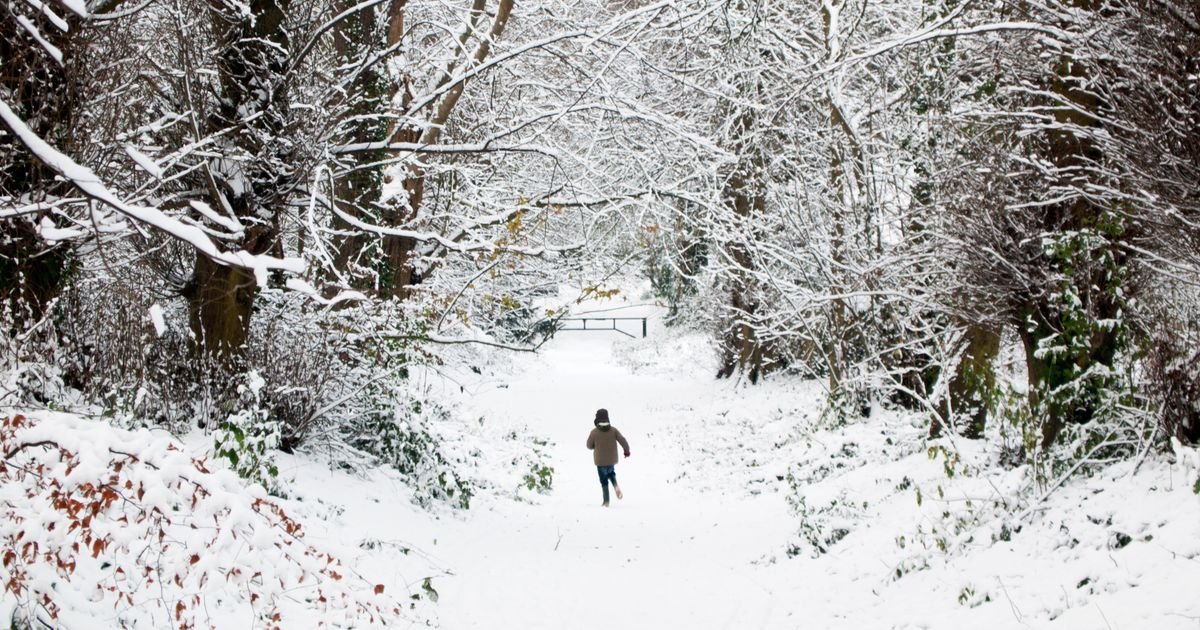
Additionally, the Met Office has confirmed the likelihood of snow and ice in parts of Britain this week following a period of above-average temperatures. This cold snap is expected due to high pressure from the northwest, leading to much colder conditions than recent times, with temperatures possibly dropping as low as -7°C in certain areas.
The UKHSA highlights nine groups of individuals at higher risk during cold weather and mentions external factors like poor housing conditions, snow, ice, and increased infectious diseases prevalence that can heighten vulnerability.
Ensuring proper heating in your home is essential to mitigate cold-related complications. Rooms where you spend significant time should be kept at a minimum of 18°C. If your home remains cold despite heating efforts, check for drafts from unsealed doors or windows that may be letting in cold air.
Proper insulation in your home can help prevent heat loss and reduce health risks associated with cold weather. Consider registering for UKHSA weather health alerts for early warnings on severe temperatures that could impact your health.
Remember, maintaining a warm environment and taking necessary precautions can help safeguard against the health impacts of plummeting temperatures.