

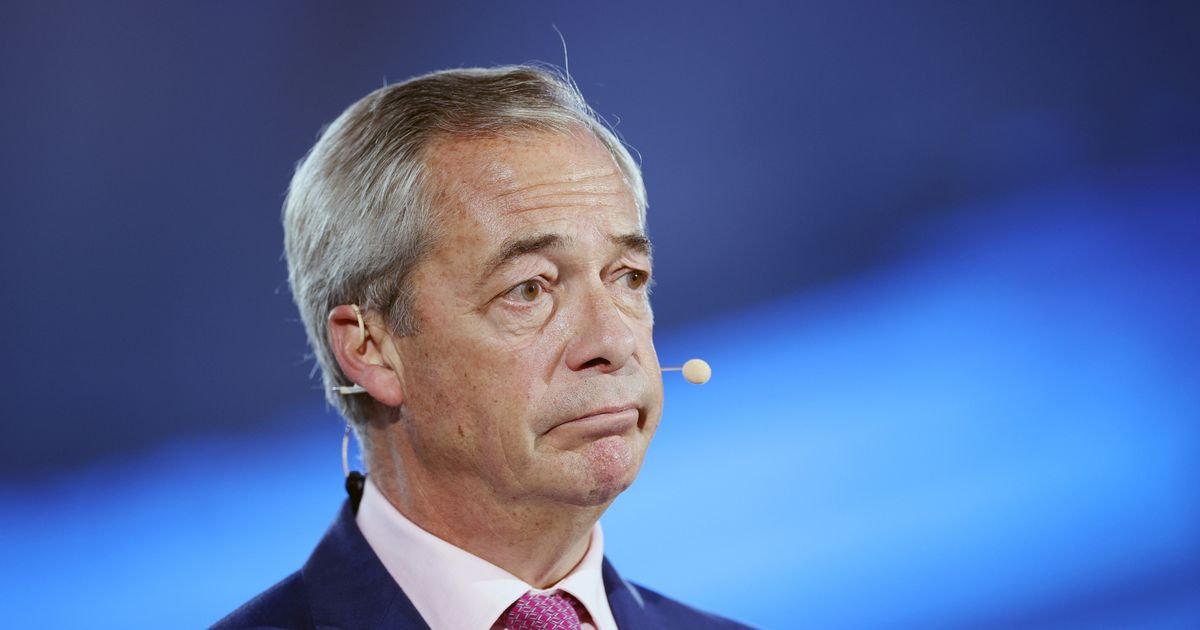

Labour Party leader Keir Starmer has strongly criticized Nigel Farage for his silence on a Reform UK councilor’s derogatory remarks about children in care being “downright evil.” Starmer condemned Farage’s lack of condemnation, calling the comments “utterly appalling.” The issue arose during a session of Prime Minister’s Questions (PMQs) when Labour MP Darren Paffey highlighted the offensive comments made by Reform UK’s Andy Osborn, currently under investigation for breaching the members’ code of conduct.
Paffey raised concerns about the lack of support for care leavers by the Reform councillor and called for condemnation of the offensive rhetoric. The PM, in response, emphasized the importance of supporting care leavers, citing the government’s efforts through the children’s Wellbeing Bill. He expressed disappointment over opposition parties voting against this bill and labeled the comments about children in care as “utterly appalling.”
During the exchange, Mr. Farage, pressed to condemn the remarks, diverted the discussion to a different topic, focusing on the actions of a Reform-led council regarding asylum hotels. He highlighted the council’s plan to issue foreclosure notices on migrant hotels due to safety concerns, seeking approval from the Prime Minister for the expedited closure of these facilities.
Starmer further criticized Farage for his failure to address the offensive comments made by his party members. The PM also denounced the Reform leader for not taking action against another MP, Sarah Pochin, following her controversial remarks about racial diversity in advertising. Farage’s handling of these incidents has drawn strong criticism from political opponents, with Starmer labeling his response as “utterly spineless.”
In light of Ms. Pochin’s comments and the subsequent backlash, Farage expressed dissatisfaction with the remarks but defended her intentions, stating that they were not meant to be racist. Ms. Pochin later apologized for any offense caused, clarifying that her comments were poorly phrased and not intended to be discriminatory.
The exchange between political leaders underscores the ongoing debate over appropriate conduct and language within political parties, highlighting the need for accountability and responsible leadership in addressing sensitive issues.