

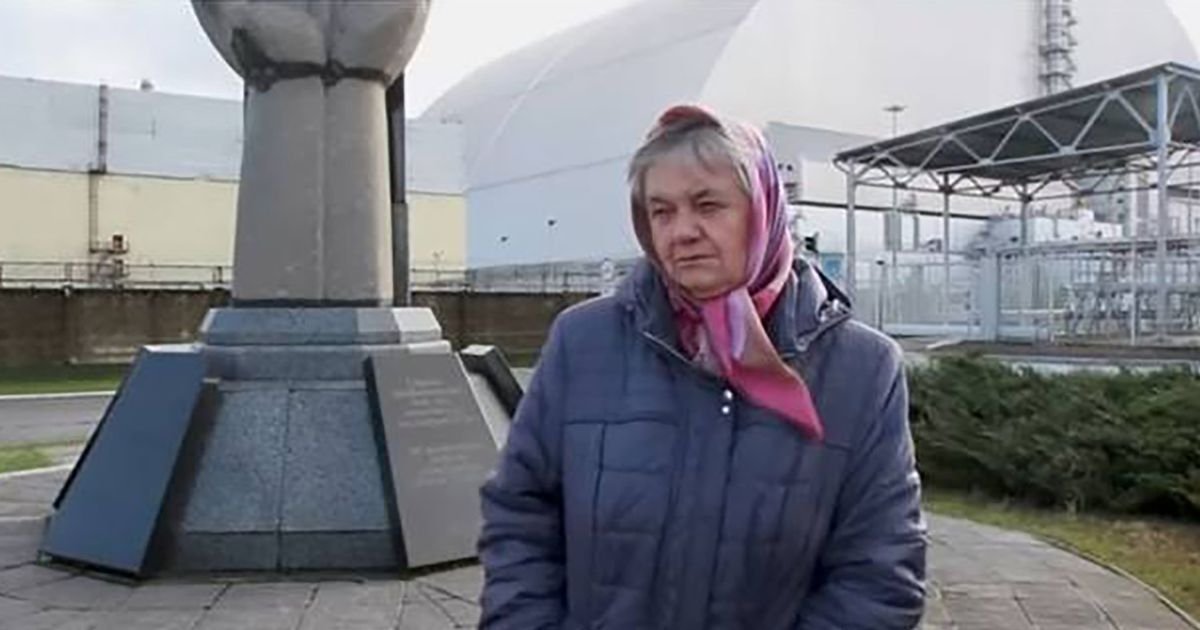

A woman who survived the Chernobyl nuclear explosion but lost her husband in the tragedy has tragically been killed in a ruthless missile attack on an apartment building in Russia. Natalia Khodemchuk, 62, succumbed to severe burns covering 45% of her body sustained in the assault. Her husband, Valery Khodemchuk, was one of the first casualties of the Chernobyl disaster in 1986 and his body was never recovered. Natalia, who survived the nuclear blast, met her untimely end in the recent Russian attack.
The residence of Chernobyl engineer Oleksiy Ananenko, 66, also suffered damage in the Russian strike in Kyiv. Ananenko, known for his heroic actions during the Chernobyl crisis when he risked his life to prevent further nuclear catastrophe, was one of the individuals impacted by the attack. Along with two other volunteers, he bravely ventured into radioactive waters to avert a potential disaster. Despite his heroism, Ananenko’s home was struck in the violent assault by Russian forces.
Natalia Khodemchuk was among seven fatalities resulting from the recent Russian attacks in Kyiv, which also left 35 individuals injured. The pensioner sustained severe burns and other injuries during the attack, leading to her tragic death. In a similar vein, Ananenko’s wife, Valentyna, recounted the harrowing experience of escaping their smoke-filled apartment during the assault.
The Chernobyl disaster in 1986, which obliterated Reactor Number 4 at the Ukrainian nuclear plant, had far-reaching consequences. The core continued to melt and burn, posing a threat of a radioactive steam explosion that could render a large part of Europe uninhabitable for centuries. Ananenko, together with his colleagues, played a crucial role in preventing this catastrophic scenario by draining water from the coolant system, a dangerous mission that risked their lives.
Despite facing health challenges following the Chernobyl incident, Ananenko’s courage and dedication to his duty are commendable. His actions, along with those of his fellow workers, were instrumental in averting further disaster at the nuclear plant.