

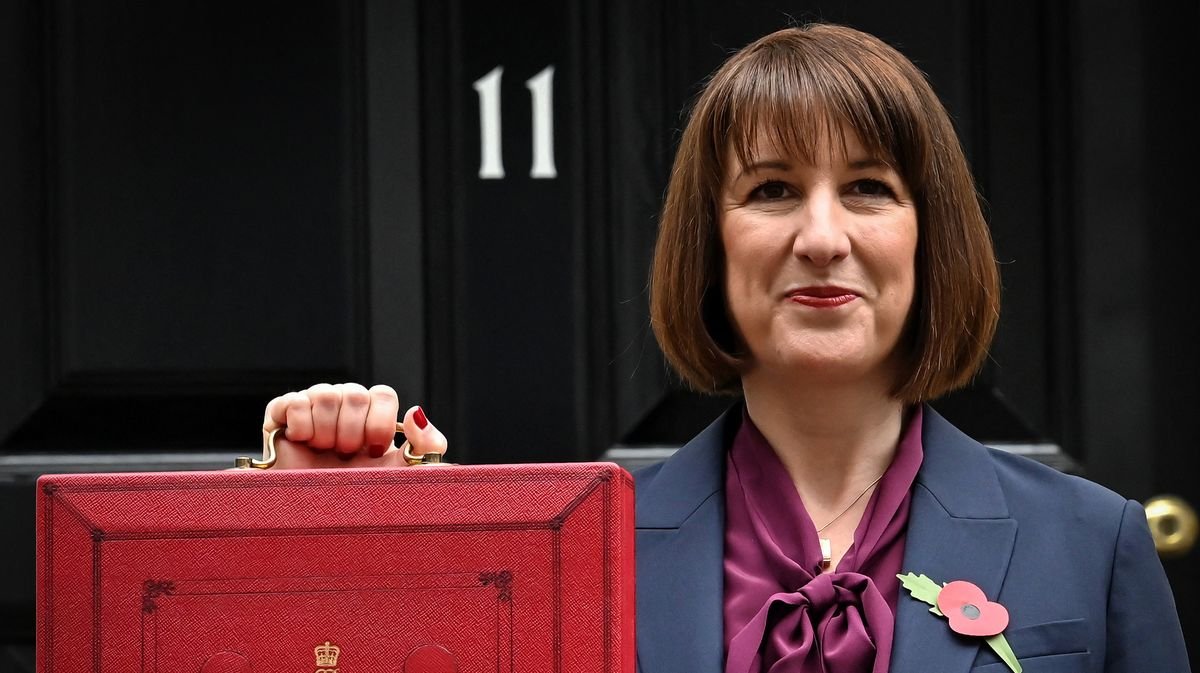

Chancellor Rachel Reeves is considering a potential £9 billion boost to the Treasury by lowering the income tax threshold for higher earners, deviating from Labour’s initial manifesto promises. The decision to scrap the planned tax increase comes amidst concerns about potential backlash from Labour MPs and voters.
Speculation suggests that Reeves changed course following a more positive financial outlook from the Office for Budget Responsibility, indicating a smaller projected deficit of around £20 billion instead of the previously anticipated £30 billion. However, this still presents challenges for the Chancellor regarding balancing tax increases and budget cuts.
One proposal being discussed involves reducing the income tax thresholds for different earning brackets. Currently, individuals enjoy a tax-free personal allowance of £12,570. Income between £12,571 and £50,270 is taxed at the basic rate of 20%, while earnings between £50,271 and £125,140 fall under the higher rate of 40%, with an additional rate of 45% applying to incomes beyond that level.
According to the Resolution Foundation, lowering the higher-rate threshold from £50,270 to £46,000 by 2029/30 could generate £9 billion in revenue. This figure surpasses the estimated £6 billion that could have been raised under Reeves’ previous plan, which involved a 2p income tax increase and a corresponding reduction in employee national insurance contributions.
Although adjusting the threshold for higher earners would protect many low-income individuals, it could potentially impact around 30% of the workforce, including numerous public sector employees.
Economists at Pantheon Macroeconomics have suggested that a 10% reduction in all income tax thresholds by 2028/29 could generate £17 billion. However, they caution that such a move might contradict the essence of the manifesto and face political challenges.
Reports indicate that Reeves may opt to extend the freeze on current personal tax thresholds and National Insurance for an additional two years starting in April 2028. This decision, forecasted to yield £8.3 billion annually by 2030, is considered a “stealth tax” as it would subject more income to higher tax rates as individuals’ earnings increase.
The Institute for Fiscal Studies highlights that if the freeze continues, by 2029/30, someone earning the minimum wage would need to work just 18 hours per week to meet the income tax threshold, the lowest level since the introduction of the minimum wage in 1999. The freeze could also lead to more recipients of the full new state pension becoming liable for tax by 2027/28.
Matthew Oulton, a research economist at IFS, emphasized the significant revenue potential of extending the tax threshold freeze, noting that it would affect a broad range of individuals and generate funds in a progressive manner. This strategy could offer the Chancellor a means to increase revenue and redistribute the tax burden effectively.