

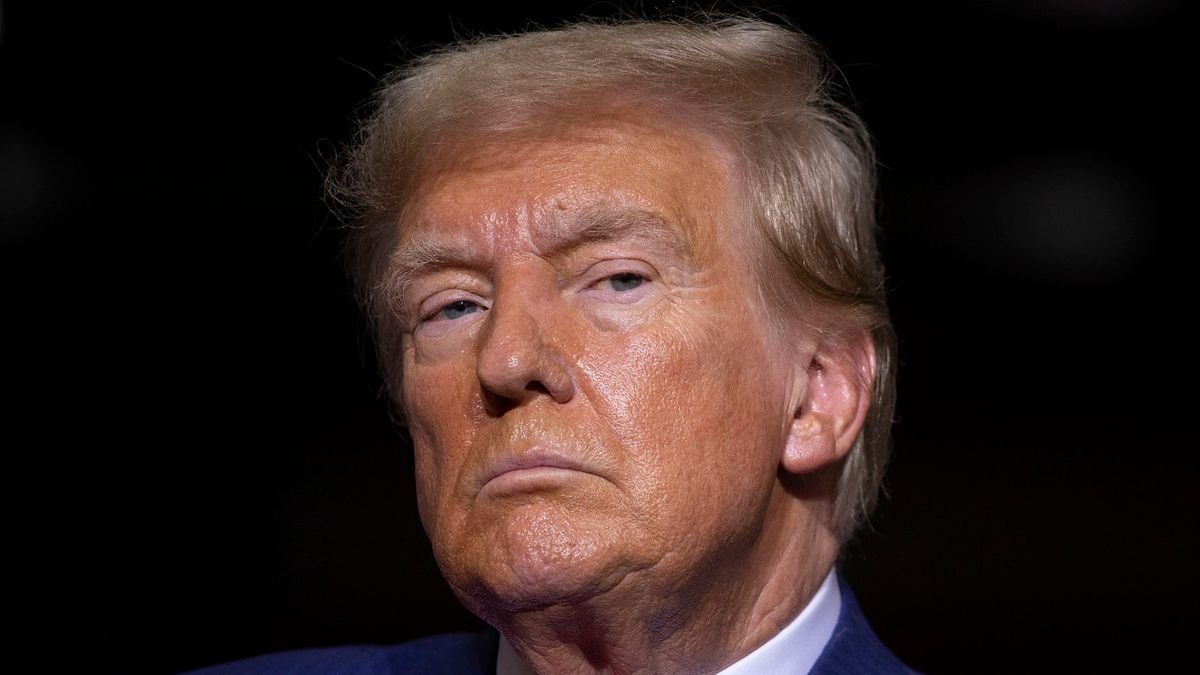

In the midst of Trump’s ambitions regarding Greenland, numerous inquiries arise, creating a web of speculation. Is this move a strategic distraction from controversial actions in Venezuela and the Epstein scandal? Will Trump shift focus from the Nobel Peace Prize to expanding the U.S. territory abroad? The narrative unfolds with queries about his domestic approval ratings, prompting a shift from “America First” to a more forceful approach resembling mafia tactics.
As Trump eyes Greenland, comparisons to historical power struggles emerge, drawing parallels to past invasions justified by territorial expansion. The administration justifies its actions as part of a new doctrine, akin to a mafia-style rule, asserting dominance in global affairs. European nations, with their colonial past, face a moral dilemma in dealing with Trump’s power play, yet continue to appease rather than confront the escalating situation.
Calls for a unified European stance against Trump’s aggressive tactics intensify, leveraging economic influence to deter any forcible acquisition of Greenland. The proposal includes a continent-wide trade embargo, tourism restrictions, and diplomatic alliances with China in response to any hostile actions. This strategy aims to send a clear message to Trump in a language he comprehends, invoking iconic movie lines to illustrate the severity of the situation.
The urgency for Europe to stand firm against Trump’s overreach underscores the need to prioritize global stability and assert independence from coercive tactics. The proposed measures aim to safeguard international norms and protect against unilateral power grabs. It is a pivotal moment for European leaders to demonstrate unity and resilience in the face of escalating geopolitical challenges.