

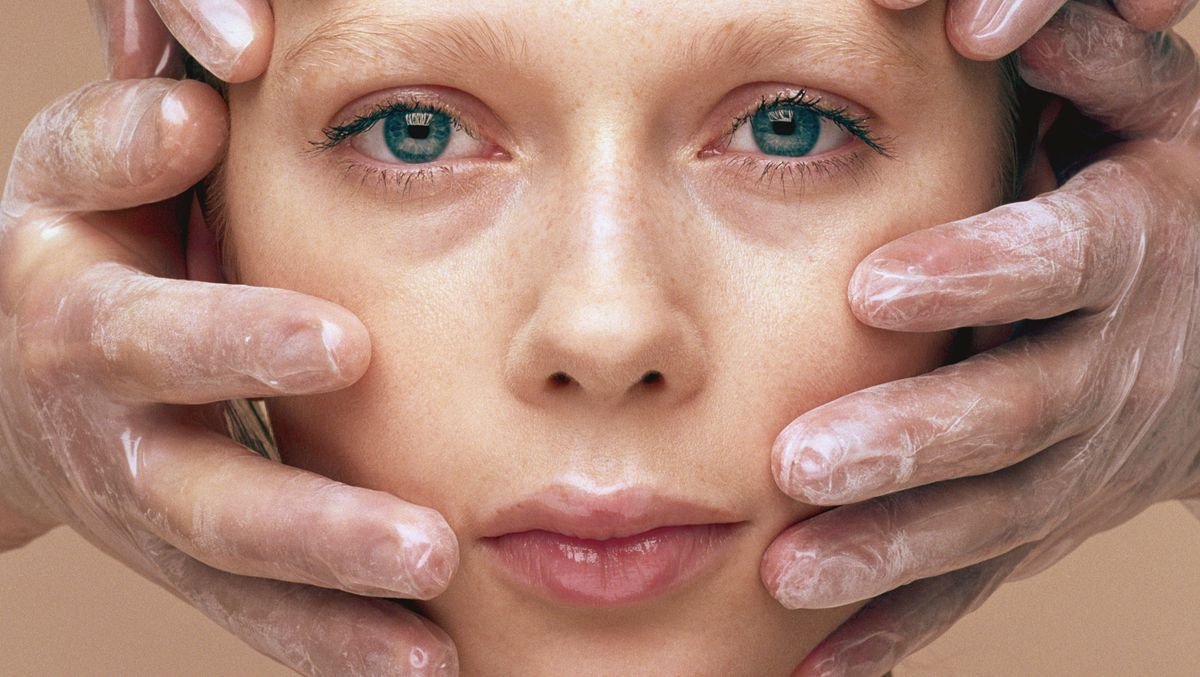

Traditionally associated with older age groups, the concept of a facelift is now transcending generational boundaries. Surgeons are observing a notable surge in younger individuals opting for what is dubbed the ‘under-40s facelift’.
This emerging trend is fueled by various factors, including the prevalence of high-quality phone cameras and the pervasive influence of social media platforms like Instagram. Dr. Apul Parikh, a plastic surgeon and the founder of the Dr. Apul Parikh Clinic, notes a remarkable resurgence in facelift procedures among a younger demographic.
Dr. Parikh emphasizes that modern facelift techniques, such as deep-plane facelifts, now offer more precise and natural-looking results with reduced recovery times. The procedure has undergone significant advancements to deliver a rejuvenated appearance.
Not only is social media destigmatizing facelifts, but it is also glamorizing them. Dr. Parikh highlights the influence of celebrity plastic surgeons who often advocate for facelifts as the ultimate solution for facial rejuvenation, sometimes misleadingly suggesting that injectable treatments can hinder future facelift possibilities.
With limited online discussions about the potential risks involved, younger individuals are increasingly drawn towards invasive procedures prematurely.
A decade ago, facelift consultations primarily targeted individuals aged 55 to 70. However, today, Dr. Parikh reports a shift, with a growing number of patients in their early to mid-40s and even some in their late 30s seeking facelift procedures. Motivations range from proactive aging to the allure of filtered transformations.
Timing is crucial in facelift decisions, with the optimal age bracket falling between 45 and 60 to avoid an overly tightened appearance that may necessitate further corrective surgeries in the future.
For those under 40 considering facial enhancements, Dr. Parikh advises exploring non-surgical alternatives. Innovative treatments like injectable biostimulators and strategically placed dermal fillers can stimulate collagen production and restore facial volume without the invasiveness of surgery, potentially delaying the need for a facelift.
These non-surgical options not only offer safety and affordability but also allow for repeat treatments, minimal downtime, and cater to individuals averse to or not suitable for surgery. Dr. Parikh predicts a declining interest in major facelift surgeries as injectable technologies continue to evolve rapidly.
While the facelift procedure remains relevant, the age at which it is deemed appropriate is not decreasing. Surgeons advocate caution against succumbing to societal pressures and advise exploring less invasive interventions before considering surgical options.
For appointments with Dr. Parikh, visit the Apulparikh.co.uk website.