

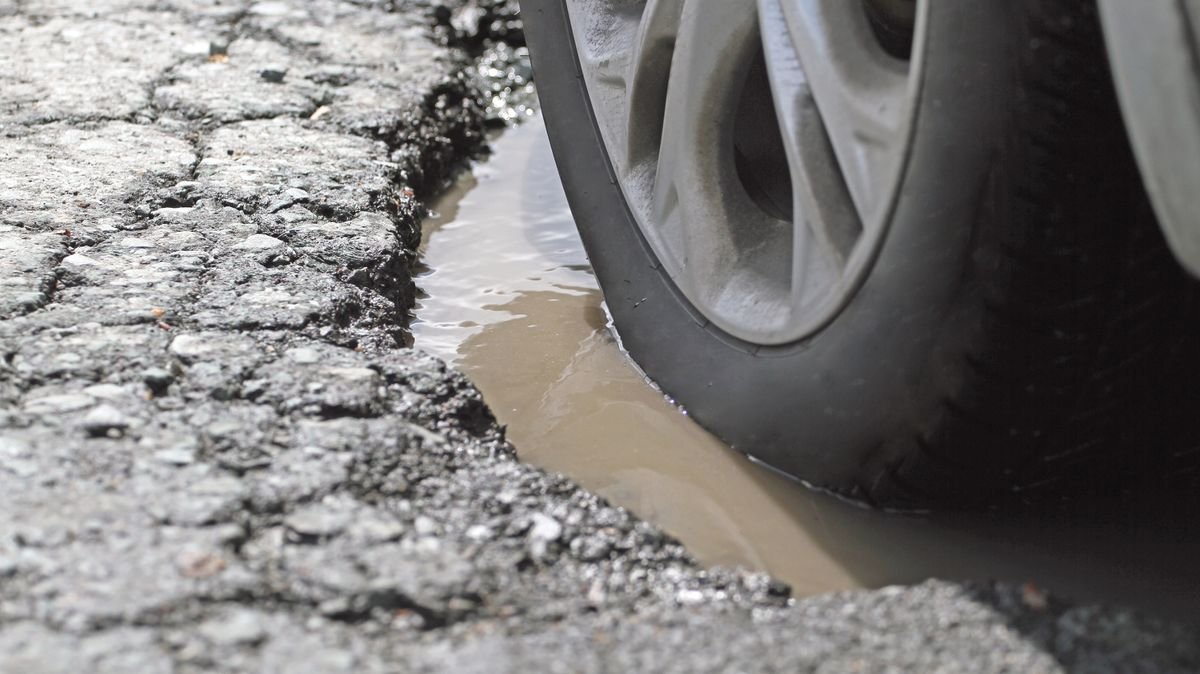

Potholes have long been a point of frustration for drivers, with many having their own stories to share. Whether swerving to avoid them or falling victim to the damage they cause, drivers are well aware of the hazards these road imperfections present.
The issue of potholes has now become a prominent topic, even in politics. While governments have typically passed the responsibility to local councils and highway agencies, the public’s discontent with potholes has made it a key concern for voters. Recently, the government allocated £7.3 billion for road maintenance, but the estimated cost to repair all potholes nationwide stands at a much higher £17 billion.
For drivers facing pothole-related damages, the process of seeking compensation from councils can be daunting. However, persistence and understanding the legal aspects can lead to successful claims. It’s essential to be informed about the criteria used by authorities to define and address potholes, as this can significantly impact the outcome of a claim.
In the event of vehicle damage caused by a pothole, drivers may consider making an insurance claim. Having a comprehensive policy is crucial for such claims, although insurers may require proof of engagement with the responsible council before processing the claim. Additionally, notifying insurers of incidents, even without making a claim, could affect future premiums.
Pothole-related damages can range from minor vehicle issues to more severe consequences like loss of control. In some cases, personal injury claims may also arise, adding complexity to the situation. Ensuring safety is paramount, drivers should carefully document the incident, gather evidence, and assess the damages before pursuing a claim.
To initiate a claim, reporting the pothole to the relevant authority responsible for road maintenance is crucial. Understanding the council’s policies and procedures, gathering evidence, and providing detailed information about the incident can strengthen the claim. In cases of claim rejection, appealing the decision with supporting evidence is essential, and if necessary, seeking resolution through the Small Claims Court may be required for resolution.