

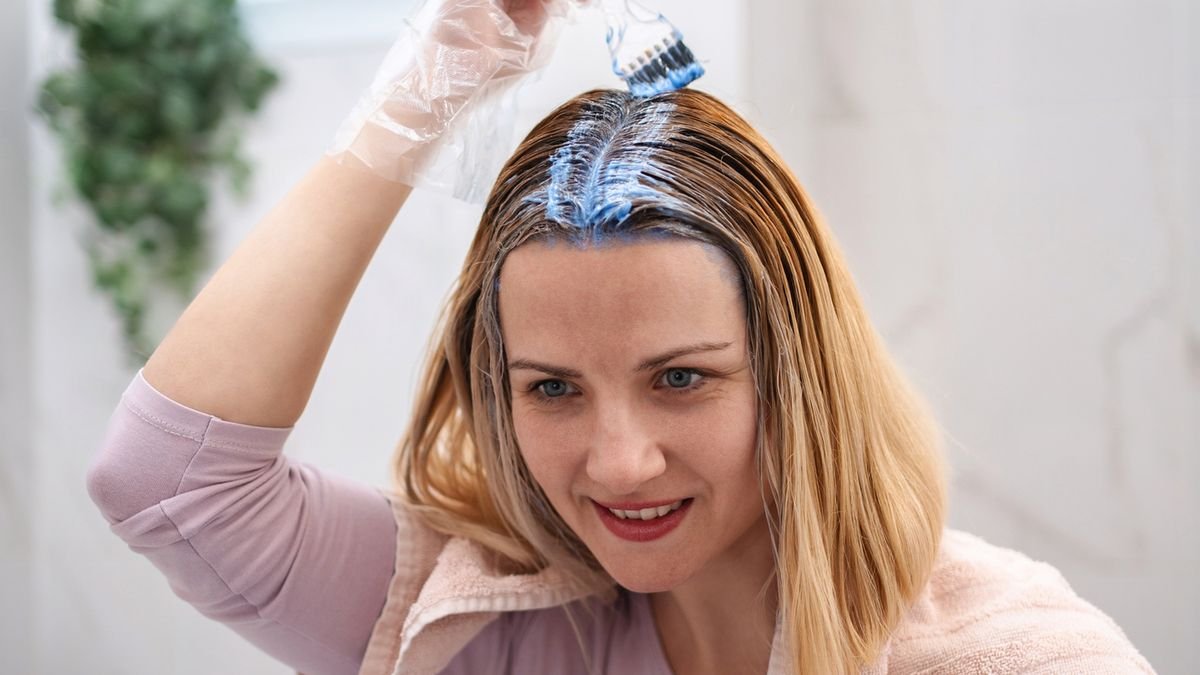

The majority of permanent hair dyes used in the US and Europe contain the chemical PPD, which has been linked to allergic reactions, cancer risks, and poisoning. PPD is crucial for making the dye resistant to washing and drying, ensuring long-lasting color. However, this process also produces harmful byproducts.
Even though the body absorbs minimal amounts of PPD during cosmetic use, it can still lead to various health issues, with allergic conditions and contact dermatitis being common. Skin contact with PPD can trigger immune sensitization and inflammation within about 72 hours, causing redness, swelling, blisters, and intense itching.
Approximately 1.5% of people may be prone to PPD sensitization, with the risk increasing to 6% for individuals with existing dermatitis conditions like eczema, dandruff, and rashes. The International Agency for Research on Cancer (IARC) has classified hair dye as ‘probably carcinogenic’ for those exposed in professional settings but considers personal use as not definitively linked to cancer risk.
A recent 2020 study spanning 36 years did not find significant connections between permanent hair dye use and most cancers or cancer-related mortality. However, a correlation was observed between cumulative hair dye use and specific cancer subtypes like estrogen receptor-negative breast cancer or basal cell carcinoma, though further research is needed.
While no evidence suggests that PPD exposure from cosmetics causes reproductive or developmental toxicity in humans, oral consumption of PPD can lead to life-threatening poisoning, resulting in severe multi-organ failure. Symptoms of PPD poisoning may include swelling in the neck and airways, potentially leading to asphyxiation, with a mortality rate of 14.5% even with medical intervention.
Increased public awareness of PPD’s potential dangers has prompted the development of PPD-free products using alternatives like PTDS. However, studies indicate that about half of those allergic to PPD may also react to PTDS. To minimize risks associated with PPD in hair dyes, it is recommended to perform a patch test 48 hours before each use to check for allergies and sensitivities. Professionals working with these dyes should wear protective gear and educate consumers on potential risks.