

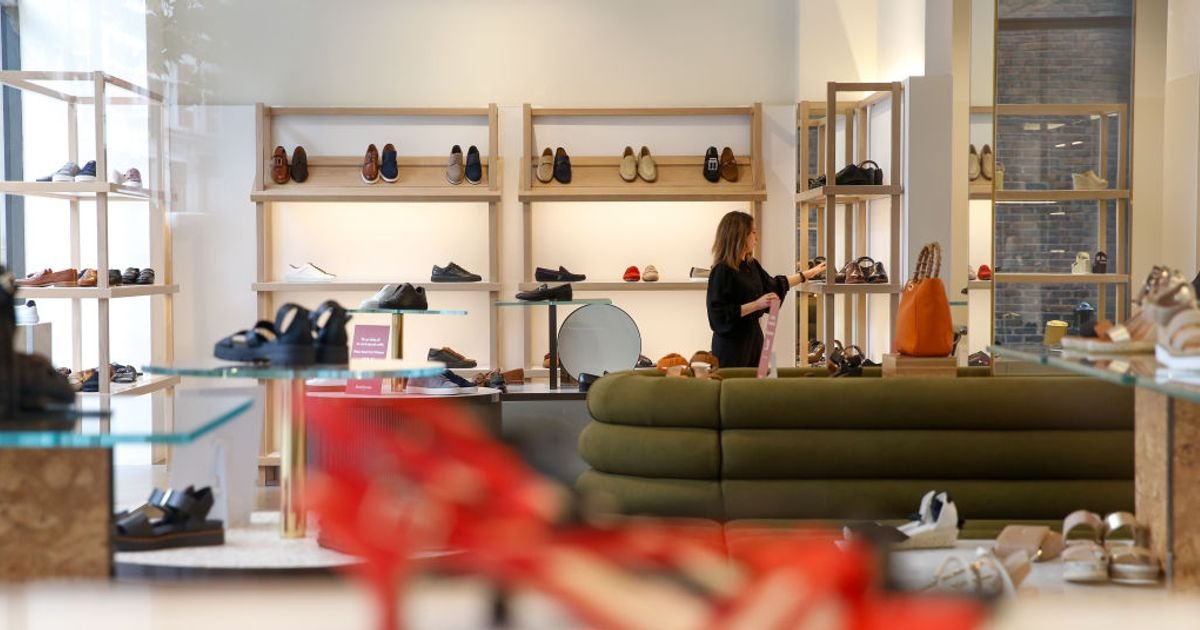

Around 400 employees of the well-established shoe retailer Russell & Bromley are facing an uncertain future following its acquisition by fashion powerhouse Next. While Next has purchased the Russell & Bromley brand and certain assets, 33 stores and nine concessions in the UK and Ireland are not included in the deal and will continue operating as the joint administrators explore various options.
The potential outcomes range from closure to the possibility of another company taking over the stores under the Russell & Bromley brand in collaboration with Next and the store owners. Founded in Sussex in 1879, Russell & Bromley emphasizes its British heritage, but the company has struggled in a highly competitive market, experiencing declining sales and widening losses.
Andrew Bromley, the chief executive and a family member of the shoe chain, expressed that the decision to sell the brand was made following a strategic review with external advisors to ensure the brand’s future. The company acknowledged the support of its staff, suppliers, partners, and customers throughout its history.
Meanwhile, beauty brand Malin + Goetz has entered administration, leading to the closure of its seven UK stores, impacting over 70 jobs. Online orders have been temporarily halted, redirecting customers to third-party retailers for purchases. In another sector, Morrisons, a supermarket chain, reported a loss of £381 million last year due to fierce competition and significant debts, despite efforts to reduce borrowing and interest payments.
Nationwide building society has announced increased lending limits for super-size mortgages, catering to new and existing customers. Additionally, a personal finance expert recommended setting up an “autosave” rule on banking apps to maximize savings potential. In the housing market, annual house prices rose by 2.5% in November, signaling a positive trend for homeowners. UK inflation increased to 3.4% in December, driven by higher tobacco and airfare costs, marking the first rise in five months.