

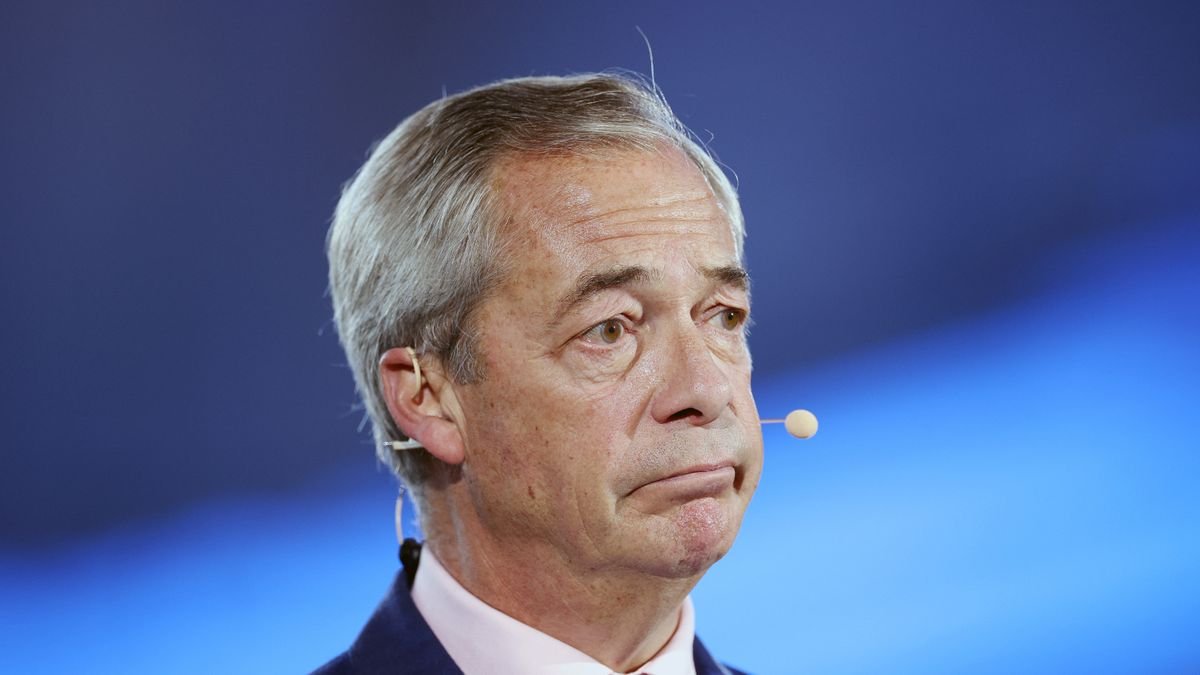

Nigel Farage is under fire for proposing to halt Universal Credit payments for European Union (EU) citizens in the UK, a move that could lead to a trade dispute with Europe. Farage, the leader of Reform UK, is expected to reveal this plan during a press conference, claiming it will save approximately £6 billion. However, this decision contradicts the Brexit agreement negotiated by the Conservative Party, which allows EU citizens with settled status to access certain benefits.
The Labour Party has criticized Farage’s proposal, warning that it could escalate tensions between the UK and Brussels, ultimately causing price hikes for British consumers. Farage defended his stance by emphasizing the prioritization of British citizens over foreign nationals and claimed that his strategy would eliminate the need for tax increases.
Reform UK stated that EU citizens currently receiving Universal Credit would be given a three-month notice period before their benefits are terminated as part of a transitional phase. The party also mentioned that Farage aims to renegotiate the benefits aspect of the Brexit deal, a move likely to face opposition from European capitals.
In response, a Labour spokesperson rebuked Farage’s financial projections, alleging that his policies would burden British taxpayers and potentially trigger a trade war with the EU, resulting in increased costs for consumers. The party emphasized its commitment to implementing a budget that supports the economy without resorting to austerity measures or excessive borrowing.
Reform UK outlined a series of proposals totaling £25 billion, suggesting that these initiatives could prevent Chancellor Rachel Reeves from implementing tax hikes in the upcoming Budget. Among the proposals is a plan to raise the immigration health surcharge from £1,035 to £2,718 annually, with the aim of generating £5 billion in revenue.
With the Chancellor scheduled to announce Budget measures on November 26 and address a significant budget deficit, there is speculation about potential tax adjustments. Despite initial concerns about a substantial financial shortfall, revised forecasts from the Office for Budget Responsibility indicate a more optimistic outlook, reducing the projected deficit from £30-40 billion to around £20 billion.