


For an extended period, Donald Trump consistently utilized age and mental acuity as key aspects of his political strategy. He frequently taunted Joe Biden, employing a series of derogatory monikers to suggest to voters that Biden was elderly, confused, and unfit for public office. Trump not only raised doubts about his opponent’s endurance but also made it a daily public spectacle.
However, now that Trump, at 79 years old, has returned to power, the focus has shifted from Biden to Trump himself. There is a growing concern regarding the president’s mental well-being, with worries being voiced not just on social media or in partisan attacks but also behind closed doors by diplomats, allies, and officials who have interacted with him directly.
Reports indicate that apprehensions about Trump’s health are increasingly becoming a prevalent topic of discussion in European capitals at various levels. This trend is raising significant red flags across the board. Notably, Slovak Prime Minister Robert Fico, an ally of Trump, expressed unease about Trump’s “psychological state” following a recent meeting with the US leader.
Observers present during the encounter described Fico as “shocked,” with some stating that he went as far as to label Trump as “out of his mind” and appeared “traumatized” by the experience. This sentiment was not an isolated incident.
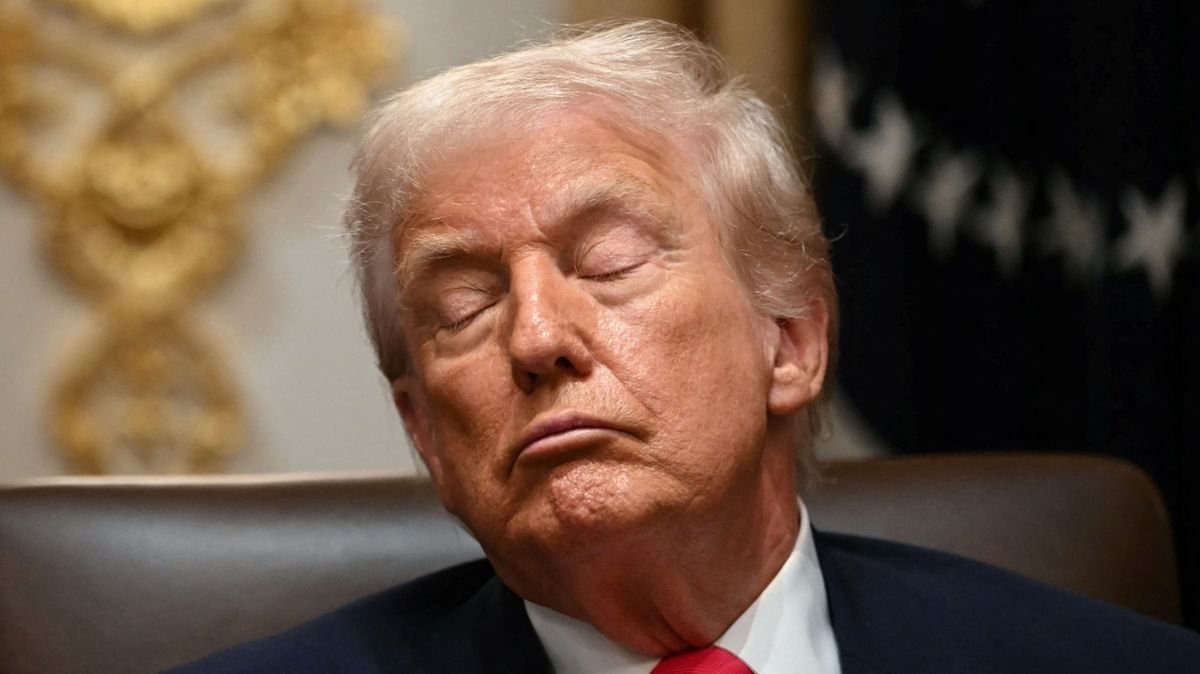
During a meeting at the White House with executives from the fossil fuel industry, Trump diverted his attention to admire the view from a window, straying from the main agenda of the discussion. This behavior, along with instances of reportedly falling asleep during crucial meetings, even in the presence of world leaders, suggests a concerning pattern of behavior.
While individual occurrences of fatigue or distractions are not uncommon, when coupled with escalating anger, incoherent speech, memory lapses, and physical manifestations such as swollen ankles and bruised hands, the overall picture raises serious questions about Trump’s fitness for office.
It is crucial to address these concerns openly, considering the significant responsibilities at stake in the highest office. Trump’s own past actions of scrutinizing Biden’s health and age now invite similar scrutiny towards him. The silence or reluctance to discuss these issues openly could lead to potential risks that the public and global stability cannot afford to ignore.
The narrative has evolved from Trump ridiculing Biden to a scenario where Trump’s behavior is under scrutiny, prompting queries about his mental and physical well-being. The need for transparency and honesty in evaluating the leader’s capabilities cannot be understated. The seriousness of the situation outweighs any political motivations or armchair analysis. The public’s right to know, as emphasized by Trump himself, must extend to assessing his own condition.
In conclusion, the current circumstances demand a candid assessment of Trump’s fitness for office, free from fear or hesitation to address uncomfortable truths. The global community must prioritize clarity and accountability to ensure that leadership remains competent and reliable. The questions persist, and the need for answers is paramount.