

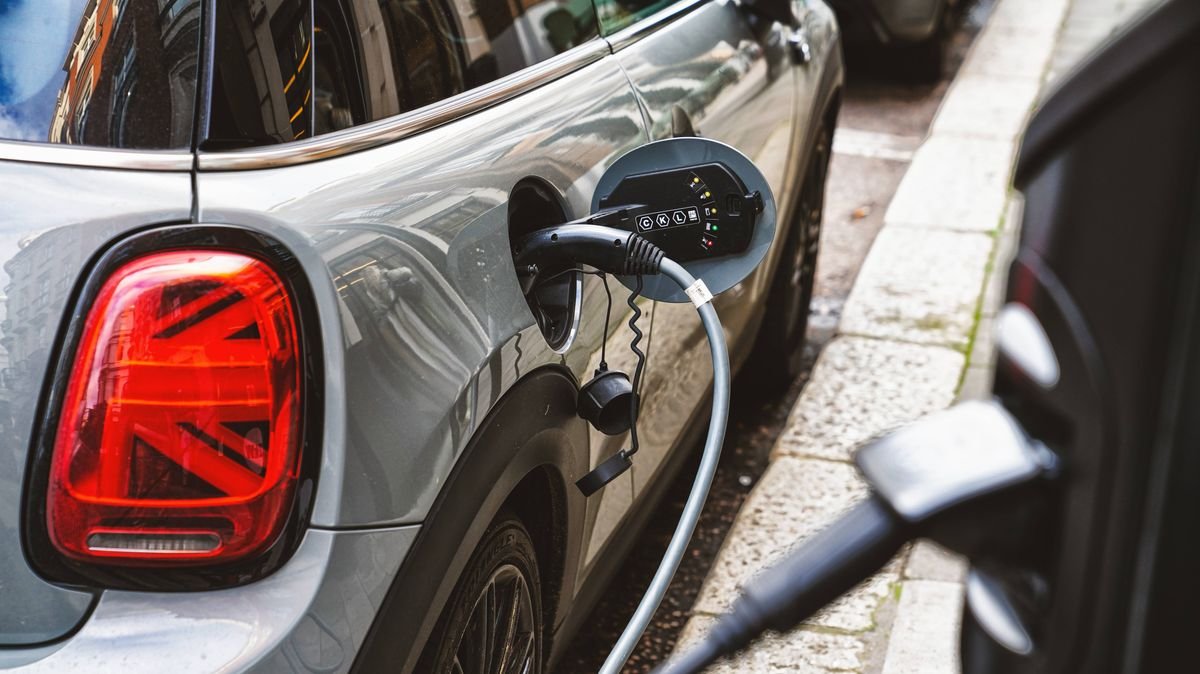

Thousands of motorists are set to receive grants of up to £3,750 each to make the switch to electric vehicles in an upcoming budget announcement. Chancellor Rachel Reeves is preparing to introduce a substantial £1.5 billion initiative aimed at promoting the adoption of electric cars. The Electric Car Grant program will see a boost of £1.3 billion to extend its availability for an additional year.
Through this program, car manufacturers will have the opportunity to apply for grants that will enable them to sell compliant electric vehicles at reduced prices. Since its launch in July, the grants have facilitated over 35,000 drivers in transitioning to electric vehicles by cutting upfront expenses by nearly £4,000. An initial £650 million had already been earmarked for the scheme until 2028/29.
In addition to the grants, there will be an allocation of an extra £200 million to enhance the infrastructure for charging electric vehicles across the UK, supplementing the previously announced £400 million intended for the same purpose earlier this year. The Chancellor is also expected to release a consultation on simplifying and reducing costs for individuals without driveways to charge their electric vehicles.
Furthermore, the government has disclosed plans for the UK to increase its production of essential raw materials used in manufacturing electric cars, smartphones, laptops, and other devices, aiming to reduce dependency on China. Presently, the UK only produces 6% of the necessary components, making it vulnerable due to heavy reliance on a few countries for essential materials needed for electric vehicles, wind turbines, and other technologies.
Under this pioneering strategy, the objective is to domestically produce at least 10% of the UK’s raw material requirements and achieve an additional 20% through recycling by 2035. Critical minerals such as lithium, nickel, and copper, crucial for various everyday items, are in high demand. The UK anticipates a surge in demand for materials like copper and lithium in the coming years, necessitating a proactive approach to secure a stable supply chain.
The plan also includes the production of 50,000 tonnes of lithium within the UK in the next decade, with businesses set to receive a £50 million boost to support critical minerals projects. Key regions in the UK, including North East England, County Durham, Teesside, Devon, and Cornwall, possess significant resources essential for these initiatives.
China currently dominates the global production of critical minerals, controlling a substantial portion of rare earth mining and refining activities. Political leaders and industry experts have lauded the government’s efforts to enhance domestic production of critical minerals, emphasizing the importance of securing the supply chain for national security and economic stability.