


Jozef Domanski, at the age of 14, was taken by the Nazis and compelled to work in Germany in 1941. Upon his liberation at the war’s end, Jozef relocated to the UK, residing in Wolverhampton and later Essex, never reuniting with his Polish family. Communication dwindled after a workplace injury in 1976, with the last contact being in the early 2000s. Despite efforts to locate him, his family failed to find Jozef.
In 2012, at 86 years old, Jozef passed away without a spouse or children, leaving behind an estate valued at £100,000. Approximately 85 years after his capture, his relatives have inherited his estate following a lengthy international legal inquiry involving the UK, Germany, and Poland.
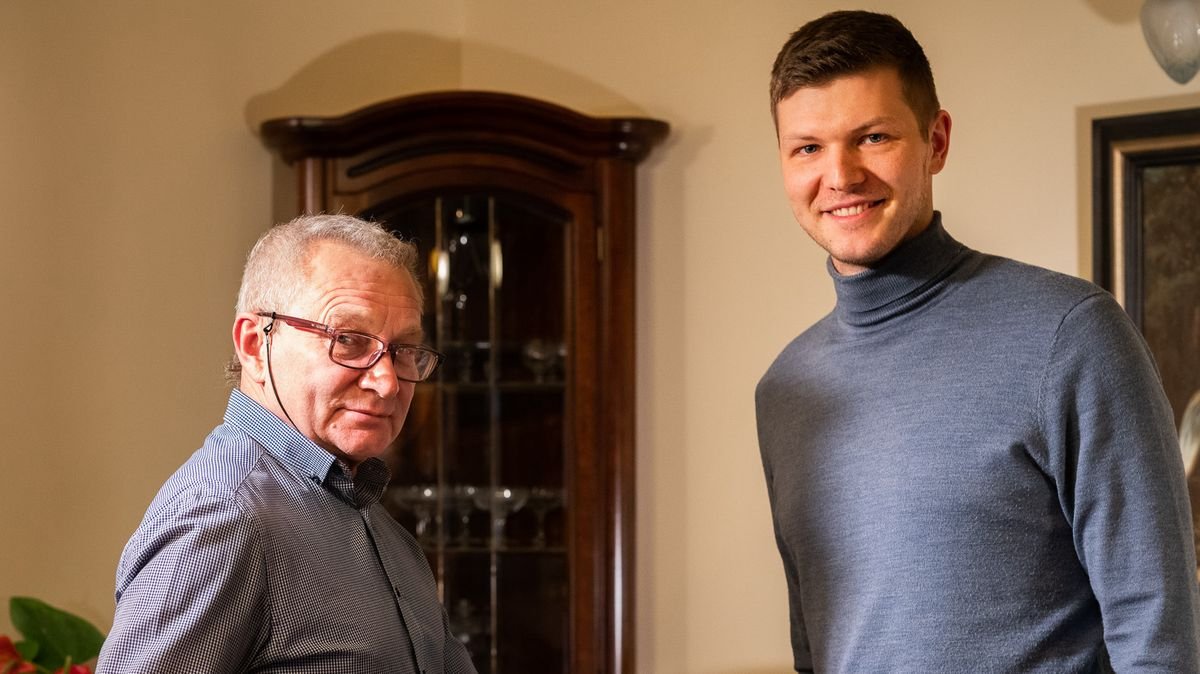
Krzysztof Sadowski, Jozef’s nephew and family representative, spearheaded the estate resolution process through collaboration with probate researchers and lawyers. He recounted how Jozef frequently corresponded with his mother, expressing longing for Poland and his distant family.
The search for Jozef’s heirs was initiated by a UK local authority, leading to a decade-long investigation spanning multiple countries. Simonne Llewellyn, CEO of Finders International, emphasized the emotional complexity of the case, which necessitated cross-border teamwork to reconnect Jozef with his relatives.
The research, overseen by Benjamin Ratz of GEN SPZOO, involved close cooperation with Jozef’s sister, Helena Sadowski, before her passing. Torsten Wehrhahn, GEN’s managing director, expanded the investigation to Poland, engaging Polish specialists to facilitate the process.
The £100,000 inheritance will be distributed among surviving family members, with Krzysztof planning to honor his grandparents by memorializing Jozef’s memory. Antoine Djikpa, Chairman of IAPPR, highlighted how the enduring impact of war trauma on families underscores the importance of restoring lost connections and histories, even after many years.