

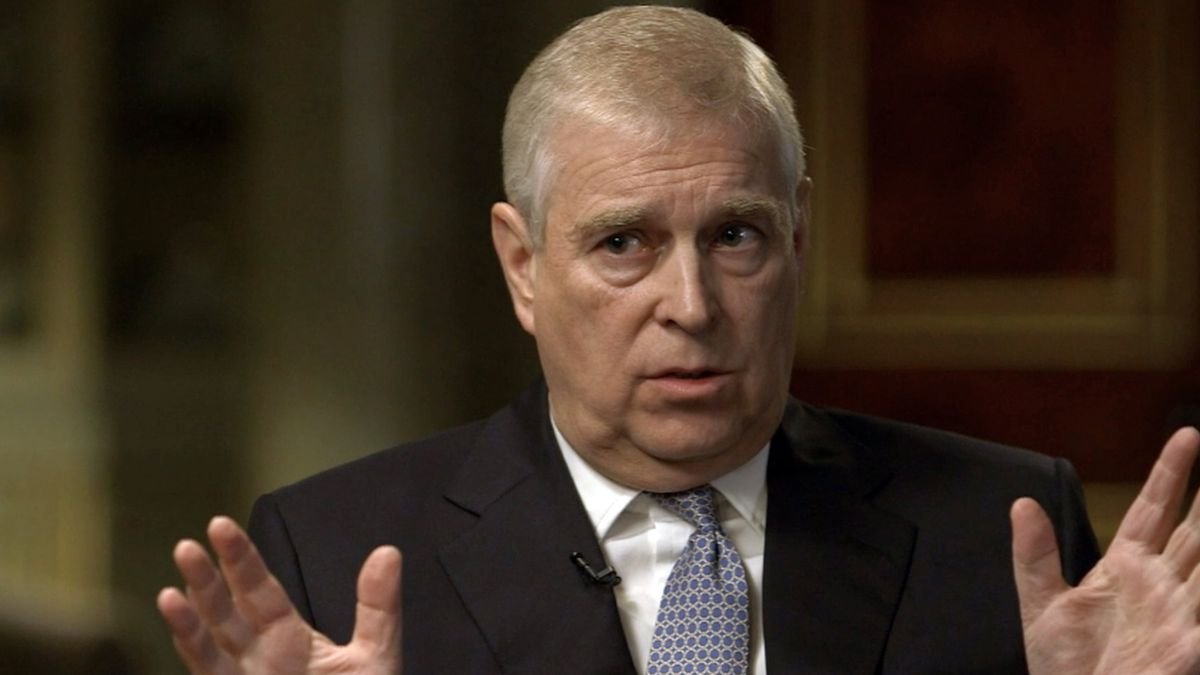

Prince Andrew, despite efforts to downplay his royal status and the complex ‘Mountbatten-Windsor’ name, holds a significant position as the son of a monarch, born in Buckingham Palace 66 years ago, and currently standing as the 8th in line to the throne.
Recent reports indicate the unprecedented arrest of the former prince on allegations of misconduct in a public office. It’s essential to acknowledge that Andrew’s royal lineage played a pivotal role in his appointment as a trade envoy, a move made to appease the late Queen during a challenging period for the royal family in 2001.
The Windsor family faced a decline in popularity during the 1990s, marked by various scandals, divorces, and the tragic death of Princess Diana. However, the current situation involving connections to Jeffrey Epstein has plunged Prince Andrew and his family into a more significant crisis.
The prince’s ability to leverage his royal privilege for defense against accusations and legal scrutiny has been a longstanding issue. Despite being in police custody on potential charges related to misconduct in a public office, many unanswered questions persist.
Uncertainties remain regarding the origin of funds used to settle accusations by Virginia Giuffre in 2022 and the extent of the royal family’s knowledge about Andrew’s interactions with Epstein. It is imperative for the royal family to address these concerns and take responsibility.
While emphasizing the need for a thorough investigation by appropriate authorities, there has been no clear indication of a response from the Royal Family. Past instances of shielding Andrew from scrutiny and allowing misconduct to persist should prompt the family to acknowledge and apologize for their inaction.
As the situation unfolds, accountability and transparency from the royal family are crucial in addressing the extensive abuse of power by the former Duke of York. It is essential for the family to confront these issues and move towards accountability and resolution.