


Tory Prime Minister Margaret Thatcher expressed confidence in the success of privatizing the country’s water industry. Indeed, for a select few firms that took advantage of her privatization push, the results have been lucrative. However, for the majority of the public, the consequences have been far from successful, with a debt-ridden industry and polluted waterways as the aftermath.
England and Wales stand out as one of the few countries globally where the entire water industry remains under private ownership. This unique situation raises concerns about the prioritization of profits over the essential nature of water as a resource for all.
Today, many in the water sector are grappling with the repercussions of years of neglect and underinvestment. The mounting debt burden, reaching a staggering £82.7 billion in the previous year, reflects the challenges faced by the industry.
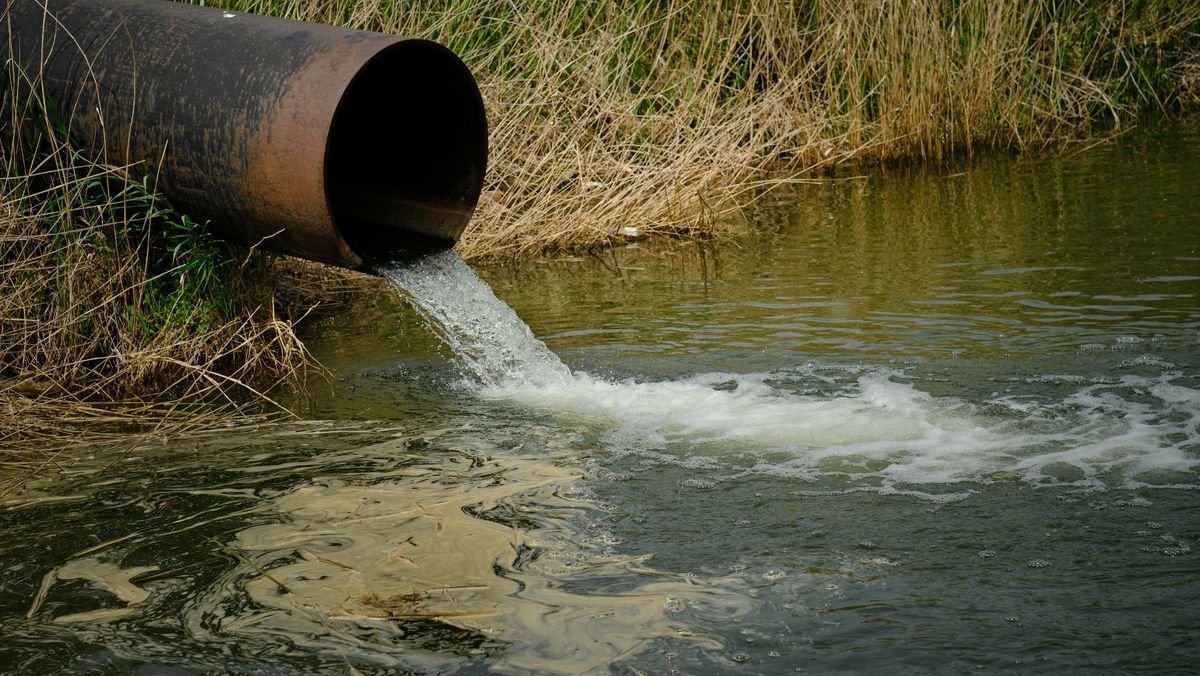
In 2023, the privatized water companies in England released raw sewage for over 3.6 million hours, a significant increase from the previous year. Major players like Thames Water are on the brink of collapse, highlighting the industry’s vulnerabilities.
Despite the constant rainfall in recent months, concerns persist over potential water shortages and the imposition of hosepipe bans come summer. The absence of significant reservoir construction since 1992 underscores the lack of investment in water infrastructure.
The portrayal in Channel 4’s series, Dirty Business, captures the grim reality of polluted waterways, symbolized by brown, contaminated streams. Communities across the country share similar fears about the deteriorating quality of their once pristine rivers, now tainted by pollution.
It is evident that the waterways belong to the communities they serve, not to the profit-driven water companies that neglect environmental responsibilities. The failure of water privatization calls for a reassessment of public ownership in certain aspects of the industry.
In various countries like the US, Spain, and France, cities have opted to reclaim control of their water services from private entities. It may be time to reconsider the failed experiment of water privatization and explore the benefits of returning certain services to public ownership.