


In the lobby of a tall building on Fifth Avenue, I observed a reality TV personality making their entrance into American politics by descending a luxurious golden escalator. Back in June 2015, the true implications of Donald Trump’s emergence were not fully understood. This was not just a show; it was a carefully orchestrated introduction of a dangerous political strategy. By positioning himself as a presidential candidate, Trump portrayed migrants as criminals and portrayed grievance as patriotism, creating a spectacle that felt surreal and almost theatrical.
This marked the beginning of a calculated political offensive, characterized by division, spectacle, and a relentless pursuit of confrontation that continues to reverberate globally and has now even reached places like South East Manchester.
Since that pivotal moment, Trump has refined a playbook that reshaped modern populism. He positioned himself as the voice of the overlooked while vilifying courts, journalists, and civil servants as corrupt adversaries. His narrative framed politics as a battle between “the people” and an elitist establishment, elevating immigration from a policy issue to a cultural battleground. The construction of a border wall became symbolic, while deportations were touted as displays of strength.
Despite promises to uplift working families, Trump’s legislative accomplishments have disproportionately favored corporations and the wealthy. While his billionaire associates have thrived, many workers have struggled to keep up with the rising cost of living, often facing stagnant wages and job insecurity.
Under Trump’s leadership, trade disputes were initiated under the guise of protecting domestic industries, tariffs were imposed, and international alliances were strained in the name of prioritizing “America First.” Blaming external entities for setbacks and branding critics as enemies became common practice, with attacks even targeting judges and Supreme Court justices. Loyalty was valued over expertise, and division became a central tenet of governance.
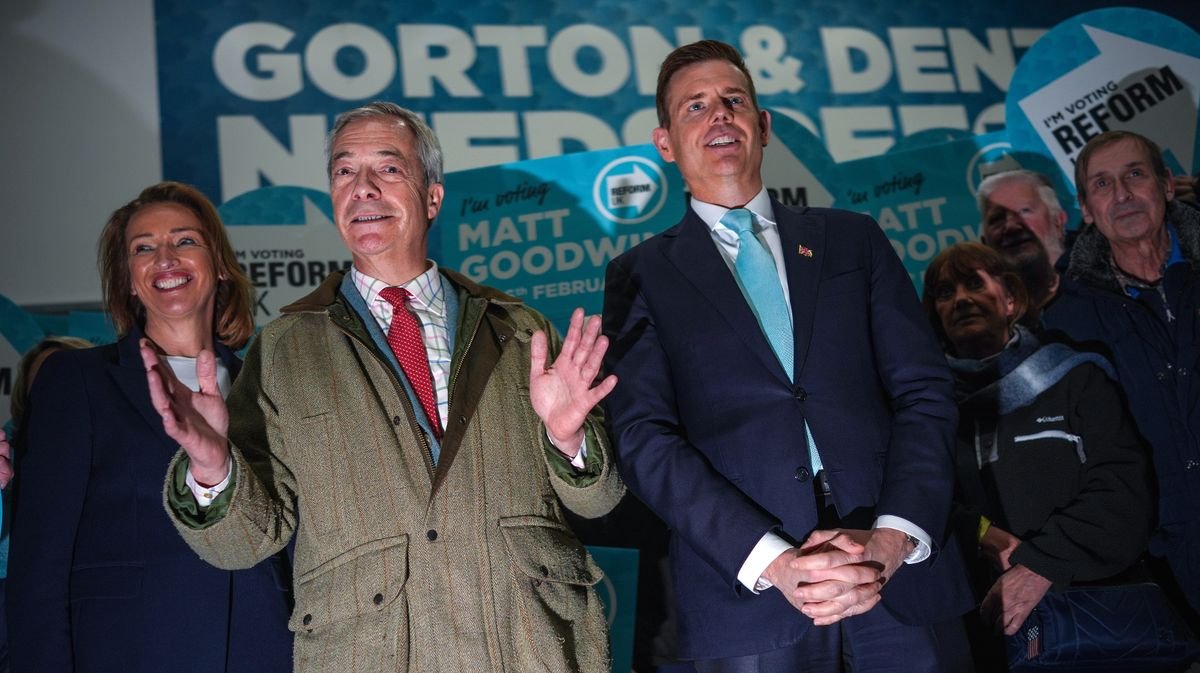
The parallels between Trump’s playbook and the strategies embraced by figures like Nigel Farage and Reform UK are difficult to overlook. Farage openly admires Trump and has mirrored his rhetoric and approach, building a team that echoes the divisive tactics employed in American politics.
The convergence of individuals like Zia Yusuf, Richard Tice, and former Tory members around Farage underscores a migration not only of personnel but also of messaging. The shared focus on political opportunity rather than detailed policy proposals underscores the allure of provocative tactics in contemporary politics.
Farage’s outsider persona and his emphasis on immigration issues mirror Trump’s approach, with calls for stricter border controls and reduced migration levels echoing sentiments from the US. Both leaders champion national sovereignty, criticize global institutions, and advocate for economic policies that prioritize domestic interests over international cooperation.
On economic matters, Trump’s tax cuts and deregulation efforts find echoes in Reform UK’s policy stances, emphasizing lower taxes and reduced government intervention. The alignment extends to energy policy, with both leaders favoring fossil fuel production over environmental protections.
However, the most pressing concern lies not in policy alignment but in the divisive tone set by these leaders. Both Trump and Farage have capitalized on controversy, weaponized social media, and prioritized performance over policy substance, fostering a political culture marked by polarization and distrust.
As voters in Gorton and Denton head to the polls, they are faced with a critical decision that transcends party lines. The choice they make will not only shape their community representation but also determine the trajectory of political culture in the region. The cautionary tale of Trump’s legacy serves as a reminder of the dangers posed by governance built on grievance and division.
By evaluating the long-term consequences of disruptive politics and prioritizing unity, voters have the opportunity to steer away from a path of confrontation and embrace a more stable and cohesive political future. The UK’s democratic institutions and traditions demand a different approach, one rooted in fairness, resilience, and unity, rather than imported outrage and division.