

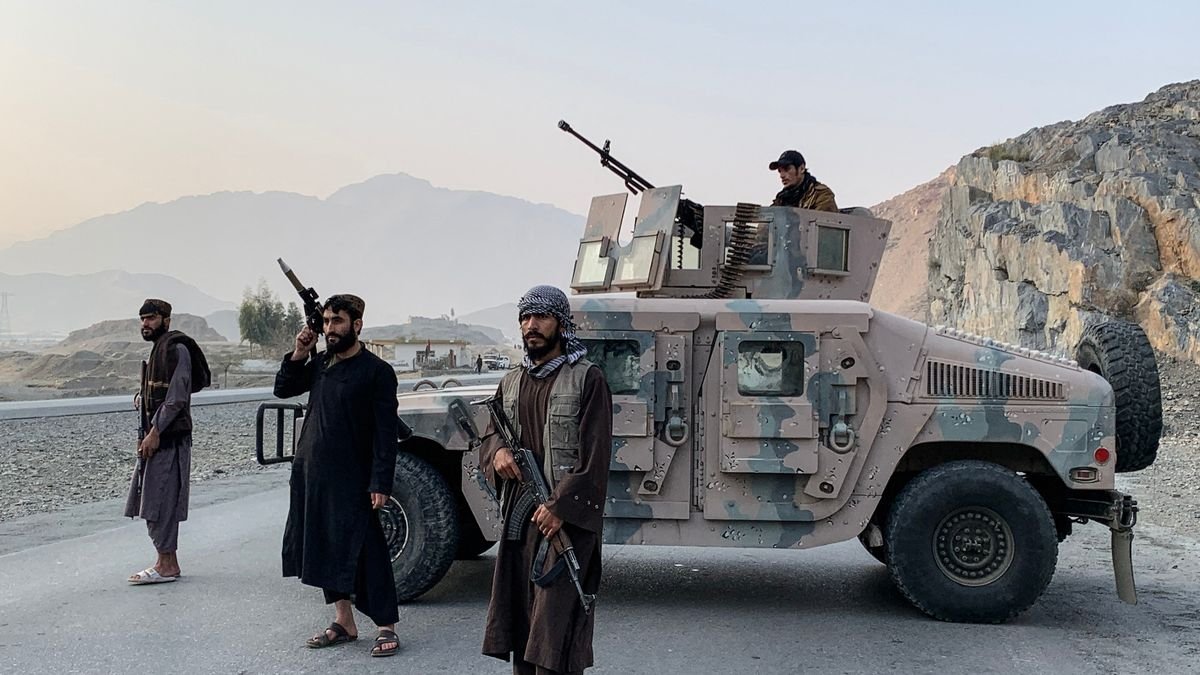

Tensions have escalated into a conflict between Pakistan and Afghanistan, triggered by allegations of terrorist activities by the Taliban spilling over into Afghanistan. This recent escalation marks a significant and perilous situation in the long-standing history of hostilities between the two nations, coinciding with global instability due to ongoing conflicts involving Russia, Ukraine, and the US considering military actions against Iran.
Amidst this complex scenario, both Russia and Iran have called for de-escalation between Pakistan and Afghanistan, highlighting the urgency to avoid further bloodshed. Simultaneously, the looming possibility of US air-strikes on Iran adds another layer of tension to the Middle East region, with military assets already positioned for potential operations.
The standoff stems from Pakistan’s claims that Afghanistan harbors militant groups orchestrating attacks on Pakistani soil, particularly the Tehreek-e-Taliban. This accusation has fueled the recent violent clashes and airstrikes initiated by Pakistan against Afghan cities, exacerbating the already fragile relationship between the two countries.
Pakistan’s strategic interests in Afghanistan, aiming to counter Indian influence and maintain a buffer against external threats, have historically shaped its approach towards the region. The current conflict underscores the intricate web of geopolitical dynamics and security concerns that have entangled Pakistan and Afghanistan, with implications reaching far beyond their borders.
As both countries navigate through this volatile situation, the potential outcomes and the impact on regional stability remain uncertain. The ongoing clashes and military maneuvers underscore the deep-rooted complexities and historical grievances that continue to fuel the conflict between Pakistan and Afghanistan.