


In a surprising turn of events, the Green Party candidate, Hannah Spencer, emerged victorious in Greater Manchester, effectively keeping the toxic politics of Reform at bay, a task that eluded the Labour party. This victory marked a significant shift as Spencer secured a comfortable majority in a constituency previously held by Labour with 13,413 votes just a year and a half ago.
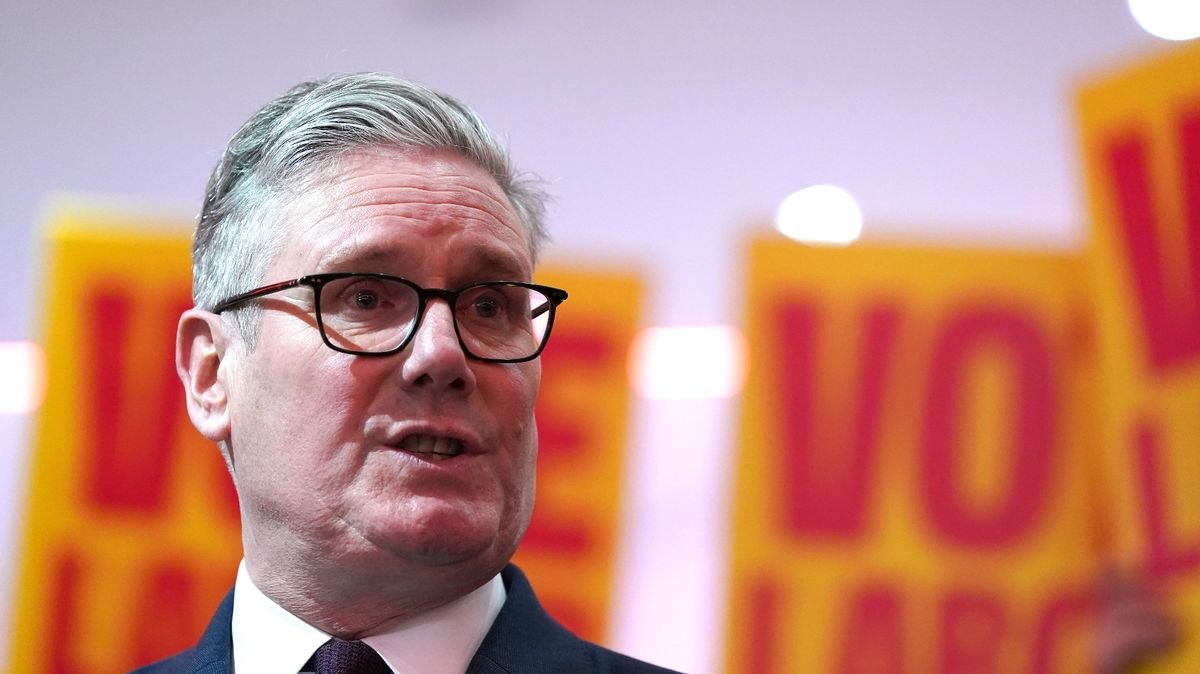
The defeat dealt a severe blow to the already demoralized Labour party. Despite deploying a robust campaign, reminiscent of their successful 2024 general election strategy, Labour found itself in a distant third place. The loss raised concerns about the party’s future, particularly for Keir Starmer, who recently weathered a political storm to retain his position.
Labour’s attempt to position itself as the anti-Reform option failed to resonate with voters, as the Greens emerged as the preferred alternative to Nigel Farage’s party. This outcome mirrors a similar scenario in a Senedd by-election in Caerphilly last year, where Plaid Cymru outperformed Labour, showcasing a trend that could impact future elections.
While the results should not be overemphasized in the context of a general election, the Greens’ ability to challenge Reform and provide a left-wing alternative to Labour is noteworthy. The outcome also highlights the Greens’ ability to secure victories beyond traditional strongholds and pose a threat to Labour’s dominance.
With upcoming elections in Scotland, Wales, and local councils in England, the political landscape is fraught with uncertainty. The implications of this recent election outcome are significant, signaling a potential shift in power dynamics and posing challenges for the current leadership.
Furthermore, the decision to block Andy Burnham from standing in the election presents a dilemma for the PM. While avoiding the risk of losing the Greater Manchester mayoralty, the decision may have alienated a key potential candidate and stirred internal party discontent.
As the fallout from these events unfolds, the responsibility for strategic decisions ultimately falls on the leadership, shaping the future trajectory of the party in a dynamic and competitive political environment.