


In the quest to reduce emergency room visits, governments have long sought ways to enhance preventive healthcare services. The Health Secretary is championing a new approach within the NHS, utilizing pharmacists as the primary point of contact for healthcare needs, aiming to shift hospital care to local communities.
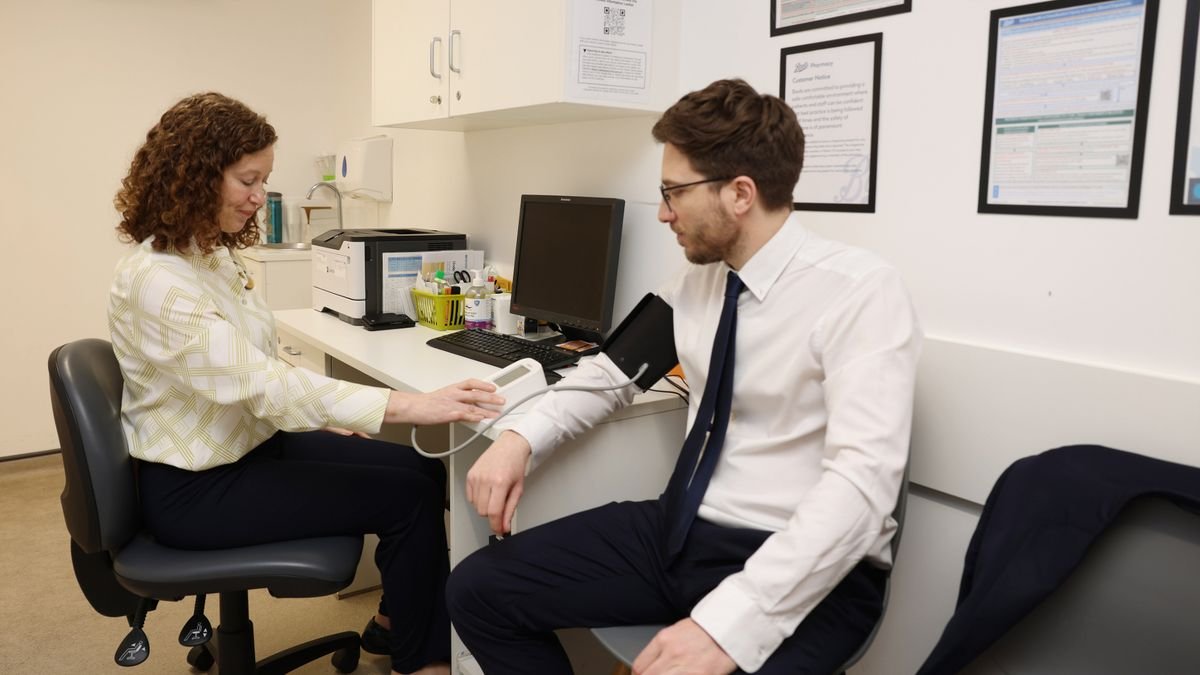
The vision is for pharmacists to play a more significant role in healthcare delivery, offering services traditionally provided in hospitals directly on the High Street. This transformation was witnessed in action, showcasing how pharmacists like Naomi Haldane are now equipped to prescribe medications on behalf of the NHS within certain limits.
With over 25 years of experience, Naomi highlighted the evolving role of pharmacists in the community, emphasizing their accessibility as the “front door” of the NHS. High street pharmacies have become essential community hubs, providing consultations, tests, and advice for various health concerns, from sleep issues to minor ailments like colds and flu.
Pharmacists like Naomi are increasingly empowered to address a wide range of health conditions without the need for a GP appointment. Through initiatives like Pharmacy First, pharmacists can supply prescription-only medicines for common ailments, such as sinusitis, sore throat, and urinary tract infections.
While the shift towards community-based care is a longstanding goal, challenges such as underfunding pose risks to its realization. Efforts to expand the role of pharmacists in NHS services face financial hurdles, potentially hindering their ability to alleviate pressure on healthcare systems effectively.
Despite these obstacles, the government recognizes the pivotal role of pharmacies in delivering community-focused care. Increased funding and strategic plans aim to leverage pharmacies as essential components of neighborhood health services, ensuring more accessible care and reducing the burden on GP appointments.
In conclusion, the integration of pharmacists into the primary care landscape represents a fundamental shift towards preventive healthcare and localized medical services. The ongoing commitment to enhancing pharmacy services is crucial for achieving a more efficient and patient-centered healthcare system.