

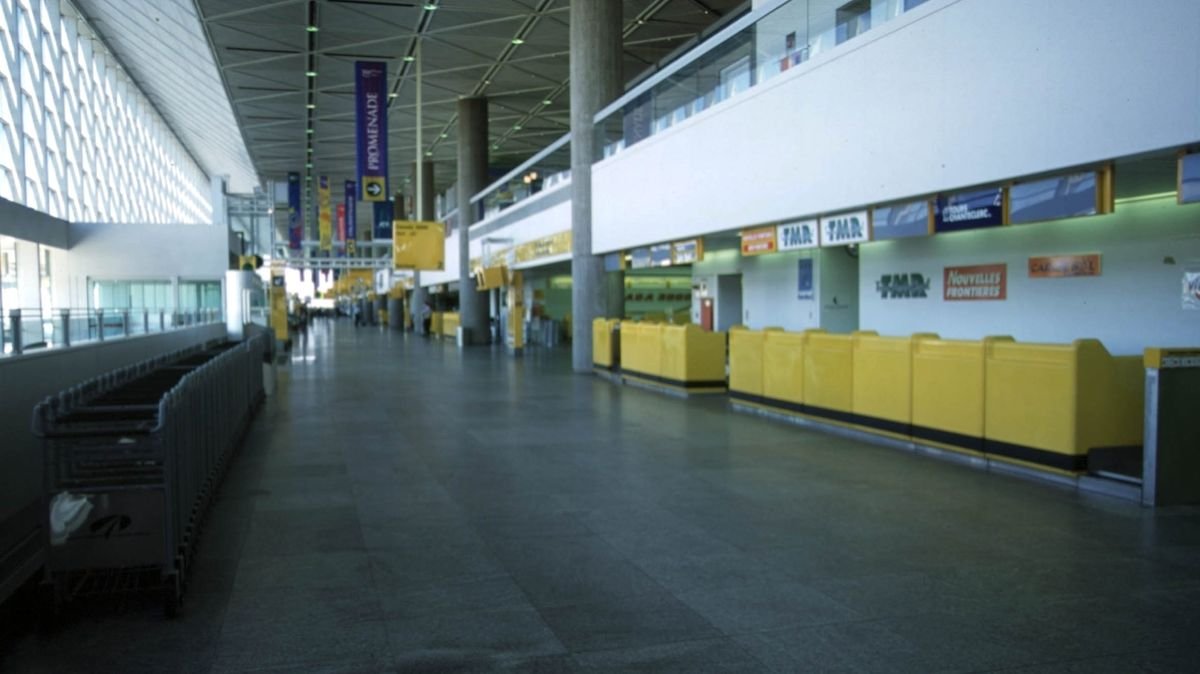

An ambitious airport project that displaced thousands of residents and aimed to become the world’s largest eventually failed and was left abandoned due to a series of setbacks.
In 1969, the Canadian government cleared approximately 324 square kilometers of farmland, displacing around 10,000 locals, to construct Mirabel International Airport. The vision was to create a massive hub serving Montreal and beyond, featuring six terminals and six runways. Mirabel Airport opened in October 1975, in time for the Montreal Olympics, with projections of accommodating up to 60 million passengers annually by 2010.
Despite initial expectations, the airport struggled to attract airlines and lacked essential transportation infrastructure. The planned high-speed rail link connecting downtown Montreal to Mirabel never materialized, isolating the airport from the city. Despite efforts to increase capacity, Mirabel never reached more than three million passengers per year, far below the anticipated levels.
As domestic flights remained concentrated at the older Dorval (now Trudeau) Airport and airlines hesitated due to Mirabel’s isolation, passenger numbers dwindled. The decline became evident, leading to the last commercial passenger flight departing Mirabel on October 31, 2004. The terminal was subsequently abandoned and eventually demolished in 2016.
Although Mirabel Airport ceased commercial operations, it continued to function as a hub for cargo, aerospace testing, and plane assembly. The abandoned Château de l’Aéroport-Mirabel, a 344-room hotel adjacent to the terminal, stands as a reminder of the airport’s past glory. The failure of the project remains a poignant reminder of unfulfilled promises to the local community.
Describing the project’s failure, Benoit Labonté, president of Montreal’s chamber of commerce, lamented the impact on the city’s connectivity and economic prospects. The lack of strong air connections due to Mirabel’s shortcomings was cited as a contributing factor to Montreal losing its status as Canada’s commercial capital. James Cherry, president of Aéroports de Montréal, highlighted the project’s inherent flaws, emphasizing the challenges posed by the airport’s remote location and poor accessibility, ultimately leading to its downfall.