

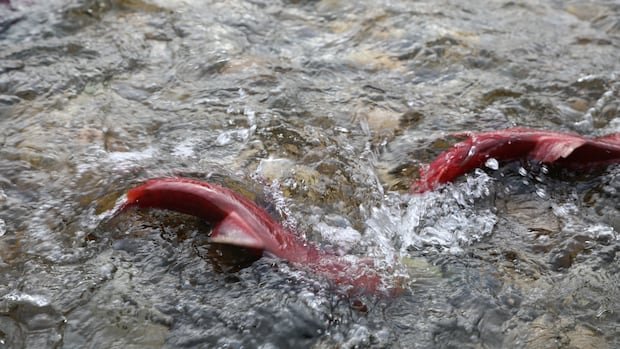

British Columbia has lifted a protection order on the Salmon River, just under two weeks after implementing it, impacting over 450 water licenses. The order, issued on July 28 due to drought conditions, restricted water usage to safeguard fish populations. It affected 456 surface-water and groundwater licenses, limiting the irrigation of crops like hay, alfalfa, and forage corn, as well as lawns, fairways, and specific industrial uses.
The Salmon River, stretching approximately 110 kilometers through the Interior and ending at Salmon Arm, has consistently exhibited low streamflow despite voluntary conservation attempts. The aim of the order was to protect Chinook salmon during dry conditions, according to Water Minister Randene Neill. However, farmers and ranchers opposed the order, stating their need for access to the watershed during increased wildfire risk.
Exceptional drought intensity is being experienced in many parts of British Columbia, as indicated by the federal government. Jason Hwang, the chief program officer at the Pacific Salmon Foundation, highlighted the drying out of habitat areas for salmon across the southern Interior. Concerns were raised about the impact on adult Chinook salmon and juvenile salmon from the previous year, with potential consequences for the river’s salmon population in the coming years.
Despite these challenges, Hwang emphasized prioritizing the well-being of communities while calling for continued protection of aquatic ecosystems by governments. Kevin Boon from the B.C. Cattlemen’s Association stressed the importance of irrigation not only for crops but also for creating fire buffers around properties. Ranchers are managing irrigation carefully to balance water usage while ensuring sufficient flows for fish and human safety.
Hwang urged people to learn from this year’s low river flows and optimize water storage, use, and efficiency for the future. The focus remains on safeguarding current resources and planning for upcoming seasons.