

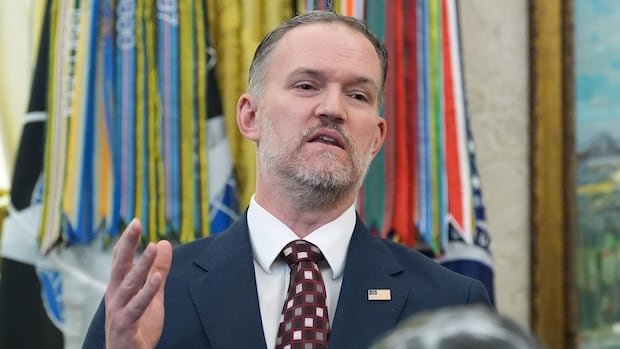

U.S. Trade Representative Jamieson Greer announced that both U.S. President Donald Trump and Prime Minister Mark Carney will receive “options” after trade discussions between Canadian and U.S. trade officials on Thursday. Greer highlighted that negotiations were progressing positively, describing the meetings as productive and amicable.
Following the talks, Canada-U.S. Trade Minister Dominic LeBlanc emphasized his commitment to fulfilling Canadians’ expectations. LeBlanc did not specify the number of upcoming meetings with Greer but expressed readiness for as many sessions as necessary.
Additionally, it was revealed that LeBlanc would brief the Advisory Committee on Canada-U.S. Economic Relations to provide an update on the negotiation progress. This committee serves as a platform for developing strategies regarding Canada’s economic ties with the U.S.
LeBlanc, along with chief trade negotiator Janice Charette, engaged in discussions with Greer for the second time this week and the fourth time in three weeks. The intensified dialogues followed Trump’s threat to impose significant tariffs on Canadian goods, in addition to existing sectoral tariffs set to take effect soon.
LeBlanc and Greer are working on a proposal to present to Trump before the tariff deadline, aiming to pave the way for a potential trade agreement. Sources indicated that the Americans proposed adjustments to sectoral tariffs but not to the extent desired by the Canadian side. The U.S. also seeks preferential access to Canadian critical minerals encompassing security and energy aspects.
The Canadian team has been assertive in arguing against the imposition of tariffs, emphasizing that such actions could hinder further negotiations. Industry sources revealed Canada’s willingness to address trade concerns by considering lifting retaliatory tariffs on U.S. autos, ending booze bans, and making adjustments to dairy policies.
Ontario Premier Doug Ford expressed openness to reintroducing U.S. alcohol to provincial shelves upon reaching a fair deal safeguarding Ontario’s key sectors. Ford stressed that tariffs on Canada equate to taxes on American citizens and urged a strong stance in upcoming elections to convey a message to U.S. policymakers.
The statements from Ford align with those of Quebec Premier Christine Fréchette’s office, affirming that the suspension of U.S. alcohol sales in Quebec outlets will persist until a mutually beneficial agreement is reached. Quebec maintains its authority over alcohol sales decisions, underscoring the province’s autonomy in making such determinations.