

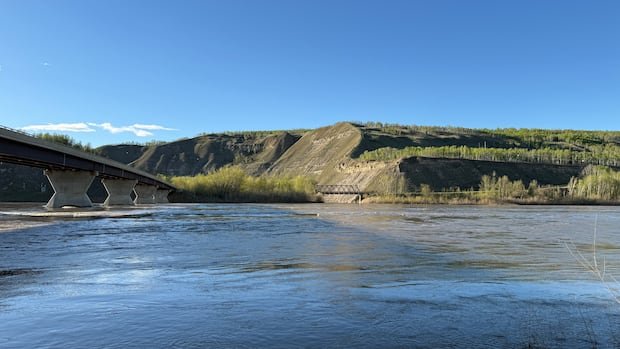

Leaders in northeastern British Columbia are advocating for the establishment of a new fund to provide compensation to local communities in case the province proceeds with a proposed fourth hydroelectric dam on the Peace River.
During a recent public briefing by B.C. Hydro to the Peace River Regional District, details about Site E, situated near the Alberta border north of Dawson Creek, were disclosed. The board chair, Brad Sperling, emphasized that the construction of the dam would significantly alter the river system in the region, leading to the submergence of more residences, agricultural lands, public parks, bridges, and impacting local water sources.
Sperling expressed concerns about the transformation of the Peace River into a series of reservoirs if the dam project proceeds. B.C. Hydro stated that there is a pressing need for substantial new power sources to accommodate an anticipated 50% rise in power demand by 2050, primarily fueled by industrial expansion.
However, Sperling highlighted the enduring consequences of decades of energy development in the region, including the existing dams on the Peace River and the ongoing establishment of large wind farms. He advocated for a compensation model akin to the Columbia Basin Trust, established in 1995 to alleviate the impact of dams on the Columbia River communities.
Julia Balabanowicz, the government relations director at B.C. Hydro, mentioned that legislative changes would be necessary to allow for geotechnical and environmental studies of Site E and another proposed hydro project on the Homathko River. These projects are part of various options being considered to meet future energy demands, including utility-scale battery initiatives. B.C. Hydro anticipates investing up to $12 million in preliminary studies for both proposals.
Local officials, including Pouce Coupe Mayor Danielle Veach and Dawson Creek Mayor Darcy Dober, emphasized the need for long-term compensation and raised concerns about the financial implications and environmental impact of the proposed dam project. Suggestions were made to explore alternative energy sources such as nuclear and natural gas to meet energy needs.
The community leaders stressed the importance of ensuring that the region receives appropriate economic benefits from the energy generated within the area. Residents expressed feelings of exhaustion and frustration over the continuous land and resource demands imposed by the province without adequate compensation or consideration for their concerns.