

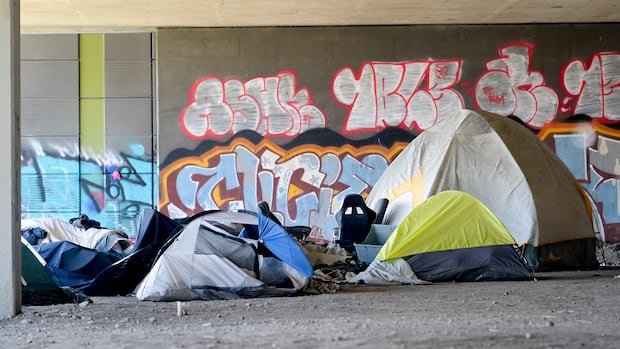

New findings from Université de Sherbrooke reveal a significant spike in deaths among individuals experiencing homelessness in Quebec between 2020 and 2024. The data shows a 180% increase in homeless deaths during this period, with 45 deaths recorded in 2020 and a stark rise to 127 fatalities in 2024. The total number of unhoused individuals who passed away in Quebec over the four-year span reached 400, with Montreal exhibiting the highest death rate per capita, closely followed by the Outaouais region.
Dr. David-Martin Milot, a public health physician and one of the project supervisors, described the surge in deaths as a tragic and unfortunate event. He emphasized the necessity, as expressed by health and public health authorities, to gain a deeper understanding of this phenomenon to enhance intervention strategies.
The research aimed to shed light on the severity of the situation and prompt urgent action. The initial phase of the study relied on Quebec coroners’ reports to document deaths, although it was noted that not all homeless deaths are investigated by coroners, particularly those resulting from pre-existing medical conditions.
To enhance the accuracy of documenting these deaths, an online form was launched where anyone can report the death of a homeless individual. Prior to this project, there was no comprehensive data available on annual homeless mortality rates in Quebec.
The study highlighted a striking increase in deaths among homeless men by 175% and an even more pronounced rise of 211% in deaths among homeless women. The average life expectancy for homeless men was around 47 years, compared to 80 years for those with stable housing. Similarly, homeless women had an average life expectancy of 42 years, contrasting with 84 years for housed women.
Advocates and experts emphasized the urgent need for concrete measures and increased government funding to provide housing support, especially for vulnerable groups like Indigenous women who constitute a significant portion of homeless fatalities. The lack of shelter spaces for women was noted as a critical issue, exposing them to heightened risks of violence and abuse on the streets.
Efforts are underway to address these challenges, including the establishment of a clinic within a women’s shelter to provide medical assistance and support. The Quebec government has committed $28 million towards expediting homelessness mitigation measures in key regions like Greater Montreal, Quebec City, and the Outaouais region as part of a broader plan to combat homelessness province-wide.