


Canadian negotiators are concerned about the impending implementation of new U.S. tariffs on Wednesday. Ottawa is facing challenges in persuading Washington to lift existing sectoral tariffs while also attempting to convince provinces to ease restrictions on American alcohol. Negotiations are escalating, with Canada-U.S. Trade Minister Dominic LeBlanc scheduled to meet U.S. Trade Representative Jamieson Greer for the third time in a week.
The primary objective for Ottawa is to secure a “comprehensive agreement” with Washington. Ottawa aims for the Trump administration to eliminate the upcoming 50% tariffs on nearly $28 billion worth of Canadian goods. Additionally, Ottawa seeks a reduction in the current punitive sectoral tariffs on industries like steel, aluminum, autos, and lumber.
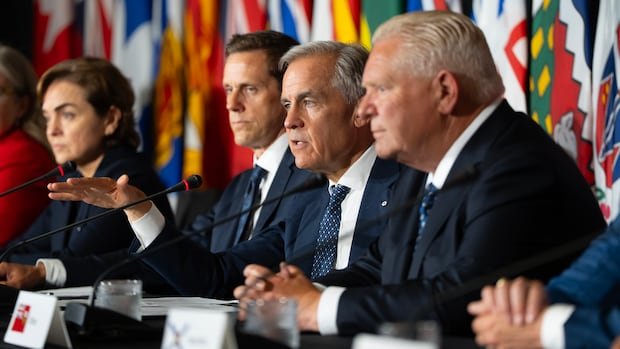
The negotiations are critical in gaining provincial support, especially regarding the reintroduction of American alcohol in Canada. However, a significant gap remains between the two countries, particularly on issues related to tariff relief and alcohol bans. Provinces are withholding their support until their concerns are addressed in the trade deal, potentially jeopardizing the finalization of an agreement.
Sources reveal that Canada is willing to make concessions on issues raised by the Trump administration, including provincial bans on U.S. alcohol, dairy import quotas, and retaliatory tariffs on U.S. autos. Resolving these disputes is a prerequisite for avoiding the upcoming tariffs.
Provincial cooperation is essential for Ottawa to lift the alcohol bans, as the decision rests with the provinces. Challenges persist as multiple provinces are adamant about not lifting the bans until their demands are met in the trade negotiations. The provinces of Alberta and Saskatchewan have resumed U.S. alcohol sales, while others remain divided on the issue.
Various provinces have their specific demands within the trade deal. For instance, British Columbia insists on including reductions in softwood lumber tariffs in the agreement, highlighting the importance of this sector for the Canadian economy. Quebec is firm on protecting its dairy supply management system, a key point of contention in the negotiations.
Ottawa is urging a unified approach among provinces to swiftly reach an agreement, as the U.S. appears reluctant to extend the tariff deadline. The Trump administration’s strategy of creating divisions between Ottawa and the provinces adds complexity to the negotiations. Despite the challenges, efforts are ongoing to bridge the gaps and reach a mutually beneficial deal.