

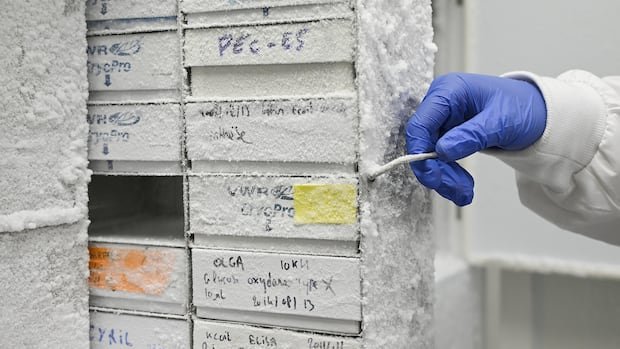

In a biomedicine laboratory situated at Polytechnique Montréal, animal protein is cultivated in a bubbling orange solution while researchers, donned in white lab coats, extract samples using large syringes. The shelves are adorned with neatly labeled glass bottles containing a clear liquid, alongside computer monitors where antibodies produced by the cells are analyzed. Not far off, a large cryogenic freezer houses tubes filled with protein and cell samples crucial for developing vaccines and medicines.
Six years post the unexpected global outbreak of COVID-19, the Polytechnique lab is leading the charge in fortifying Canada against future pandemics. This effort is part of a federal initiative known as Ramp Up, which collaborates with various research institutions nationwide to bridge gaps in the biomanufacturing sector. Head researcher Gregory De Crescenzo emphasizes the significance of preparation, stating, “It’s not a matter of if, but when.”
With the proliferation of vaccine misinformation during the pandemic, De Crescenzo believes that providing the public a glimpse into his lab can aid in rebuilding trust in medicine. The Ramp Up initiative aims to expedite vaccine and biomedical processes, as well as train students. While the focus is primarily on viruses like influenza and bird flu, the research conducted can be applicable to a broad spectrum of diseases.
De Crescenzo underlines Ramp Up’s mission to avoid past mistakes made during the COVID-19 crisis, pointing out the siloed approach of governments, academics, and industry stakeholders. Notably, the insufficient biomedical production capacity in Canada posed a challenge due to limited imports.
Students and researchers at the lab utilize commercial-grade equipment, such as cell-growing tubes and industrial freezers for long-term preservation. Collaborating labs help in identifying key components, which the Polytechnique team then produces and scales up for industrial purposes. De Crescenzo likens the lab’s role to crafting recipes, emphasizing the meticulous process of verification and approval for transfer to industries.
While acknowledging the progress made post-COVID, De Crescenzo stresses the ongoing effort required to scale lab-developed processes for industry use. He highlights the learning curve for government, academia, and industry actors to collaborate effectively.
Isaac Bogoch, an infectious disease specialist at the University of Toronto, stresses the necessity of a coordinated, multi-sector approach to pandemic preparedness, as it transcends the scope of a single lab. While lauding the government’s investments in biomanufacturing, Bogoch underscores the need to enhance areas like transportation, food safety, and public health infrastructure.
Launched in 2024, Ramp Up’s collaboration includes various institutions, aiming to address deficiencies in Canada’s biomanufacturing sector. As per the initiative’s website, Canada anticipates a demand for over 15,000 skilled biomanufacturing workers by 2029.
Health Canada reports substantial investments to enhance the country’s pandemic response capabilities, including upgrading biocontainment facilities and establishing research hubs. Since 2020, the government has allocated $2.5 billion to vaccine, therapeutic, and biomanufacturing projects, emphasizing supply chain resilience.
While progress is evident, challenges persist, especially in combating vaccine hesitancy fueled by misinformation. Master’s student Marie-Gael Tchummo, engaged with Ramp Up, notes a positive impact on vaccine acceptance within her social circle after sharing insights from her studies. Building public trust through transparency is deemed critical for the success of initiatives like Ramp Up.