

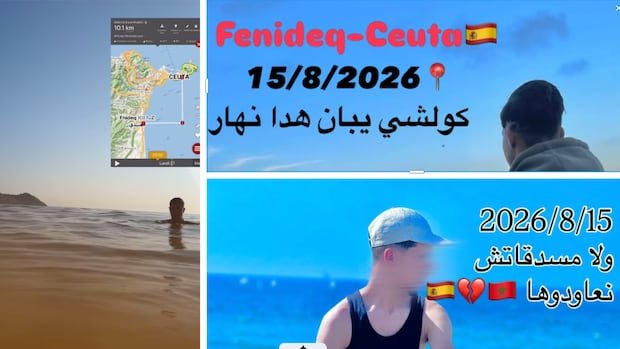

In the days leading up to the recent significant influx of migrants to Europe, a brief video shared on Instagram attracted 1.4 million views. The video depicted a young man immersed in water up to his neck, with a map showing a sea route from Fnideq, Morocco, to Ceuta, a Spanish enclave. The post indicated the arrival at the destination.
This Instagram video was just one of the many viral posts across platforms like TikTok and Instagram that seemed to mobilize two waves of irregular migration from Morocco to Ceuta. These online communities focused on migration-related content, including music, memes, and imagery, aiming to exploit the aspirations of African and Middle Eastern youth seeking better opportunities abroad.
Debate surrounds whether a single entity orchestrated the events in Ceuta or if migration was manipulated for geopolitical purposes. Nevertheless, it is evident that misinformation, amplified by various online communities, influenced the surge of migrants toward Ceuta this summer.
A visual investigations team at CBC, with support from Sebastian Vandermeersch of Bellingcat, identified multiple social media accounts, particularly on Instagram, active before the first wave on July 30. Misinformation suggesting that a Spanish court ruling would allow migrants to enter the country by sea initially sparked a surge in posts. This led to over 72,000 people crossing the border on July 30, causing chaos in Ceuta and a political crisis in Europe.
Despite the majority of migrants returning to Morocco, around 5,000 individuals remain in Ceuta, with some residing on a beach aided by charitable organizations. Tragically, nearly 100 people lost their lives attempting the crossing.
The online surge was fueled by the success of previous migration attempts to Ceuta and an increase in land entries into Spain. While social media played a role in shaping misinformation, the underlying desire to migrate preexisted. The desperation among young people in North Africa and beyond, coupled with high unemployment rates and limited prospects, made them susceptible to migration-related messaging.
Accounts on social media platforms provided advice on crossing into Ceuta, with some even offering guidance for a fee. The surge in social media activity and the dissemination of misinformation highlighted the vulnerabilities of individuals seeking better opportunities through migration.
As Meta and TikTok agreed to fact-check posts to curb criminal exploitation, a new wave of posts emerged ahead of August 15, promoting another opportunity to enter Spain. Moroccan and Spanish authorities were prepared this time, with thousands of police deployed to prevent unauthorized crossings.
The surge in migration-related messaging reflects the profound desperation and disenchantment prevalent among young people in North Africa. Despite efforts to curb misinformation, the allure of migration and the pursuit of better prospects continue to drive individuals to take risks in search of a brighter future.