

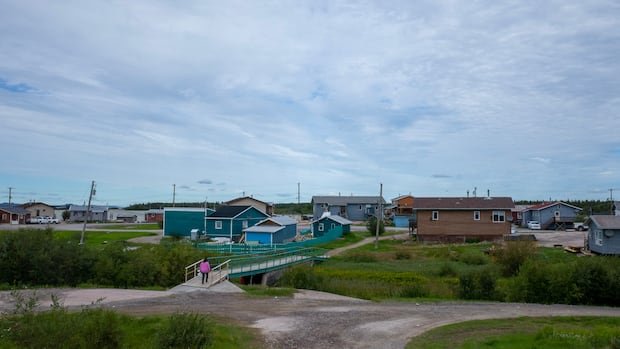

This is the initial article in a two-part series discussing the drug crisis in BehchokÇ«Ì, N.W.T. The second part, focusing on solutions and the path forward, is scheduled for publication on Thursday.
<pBehchokÇ«Ì Chief Bertha Rabesca Zoe is well aware of the escalating drug crisis in her community, causing increased feelings of insecurity among residents. Over a year into her leadership role, she is preparing to address the drug trafficking issue directly.
“The impact of drugs on our community and people is devastating,” she expressed. “The situation is distressing for all of us as we witness the effects on our loved ones.”
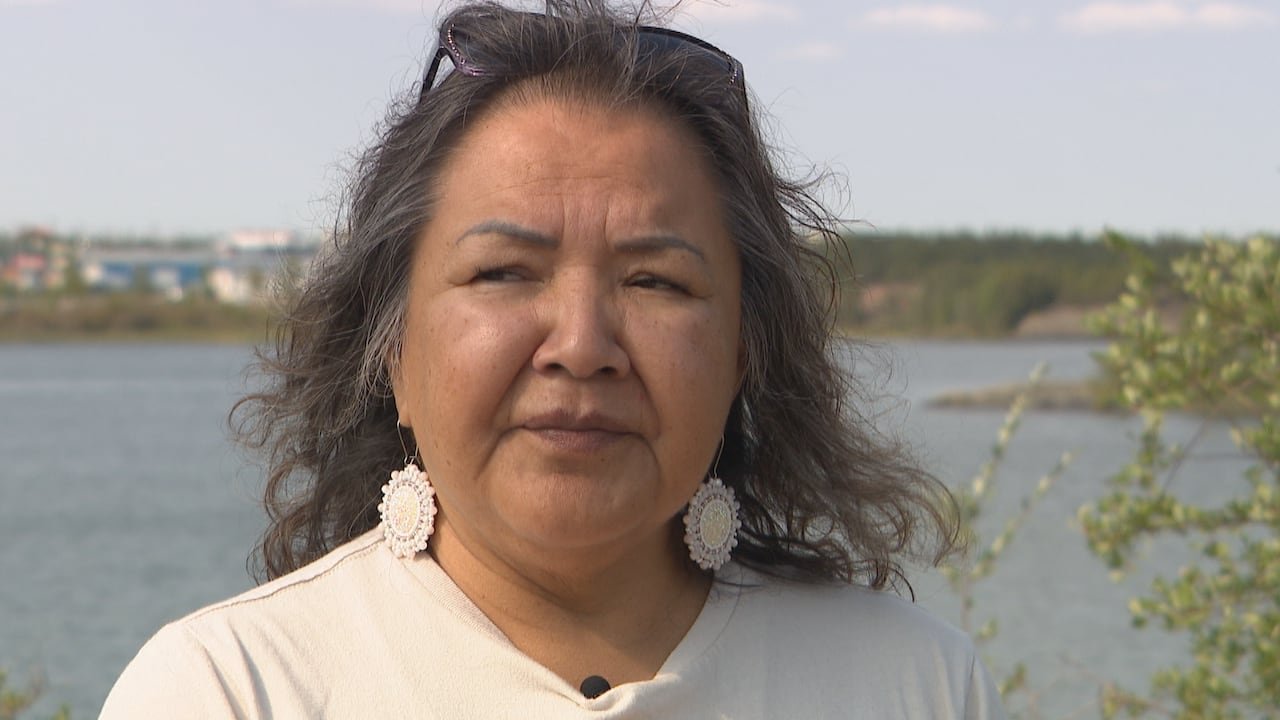
BehchokÇ«Ì, with approximately 2,000 inhabitants, is not the only Indigenous community in the Northwest Territories grappling with drug trafficking challenges, but it is the most populous. Situated along the highway to Yellowknife, the community has multiple entry points, making it vulnerable.
Through discussions with Rabesca Zoe and others, CBC investigated the drug crisis in the community, uncovering the social repercussions, the prevalent substances, and the prospects for achieving sobriety.
Crisis Escalation
<pRabesca Zoe emphasized that combatting drug trafficking is a top priority due to its role in exacerbating various issues such as housing shortages, leading to noticeable impacts on individuals.
“Reports of young girls engaging in prostitution with older individuals have surfaced, directly linked to the drug trade,” she revealed.
She also highlighted the increase in elder abuse instances, where some exploit their elderly parents, seize their homes, drain their finances, and leave them without essential supplies.
Monfwi MLA Jane Weyallon Armstrong, a BehchokÇ«Ì resident, concurred that the crisis has worsened.
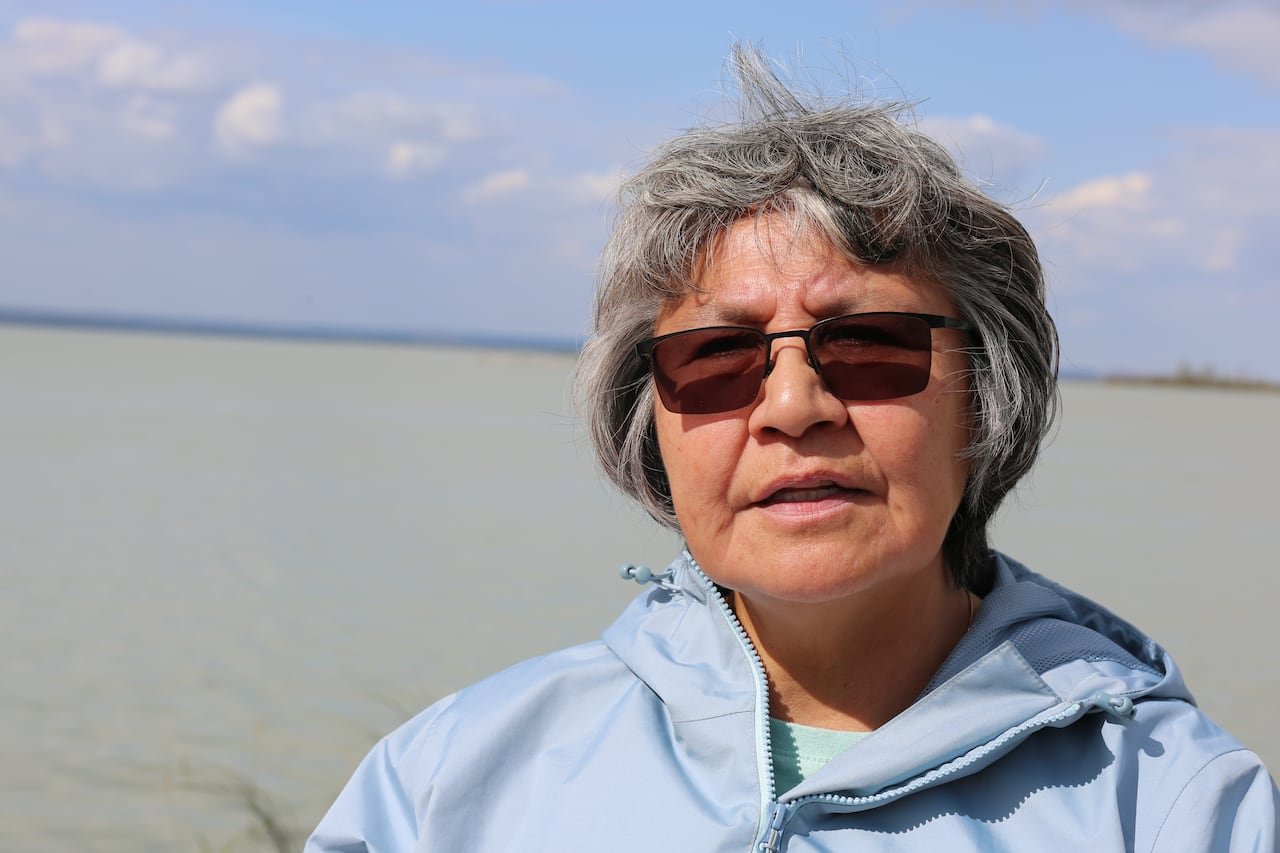
“Previously, it was at the fringes, but now it pervades our community,” she observed.
Weyallon Armstrong expressed concern over the growing involvement of women, including mothers and pregnant women, in drug dealing. She also highlighted the risks of increased sexually transmitted infections due to prostitution.
She pointed out that children are being sent to distribute drugs or are left distressed, unaware of their parents’ whereabouts, impacting school attendance and leading to child welfare interventions.
<p"The associated social issues with drug abuse are affecting many vulnerable individuals," she added.
Presence of Contaminated Drugs
<pRegarding the composition of the drug supply, N.W.T. Chief Public Health Officer Dr. Kami Kandola noted a shift over time, with an upsurge in contaminated drugs following the COVID-19 pandemic, starting around 2022.
Kandola mentioned that while crack cocaine remains the primary illicit drug in BehchokÇ«Ì according to surveys, wastewater analysis has identified a range of other substances since testing began in Rae and Edzo last year.
Stimulants, predominantly cocaine with some meth, constitute about 60% of the substances detected in Behchokǫ̒s wastewater, although the data does not quantify usage levels or consumption patterns.