

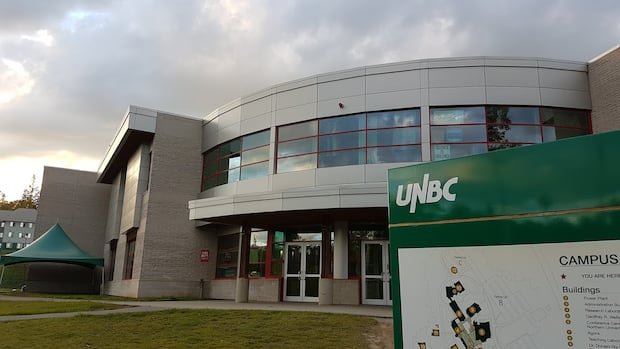

The University of Northern British Columbia (UNBC) is introducing a new PhD program in engineering, making it the first doctoral program to be launched at the institution in over 15 years. Michel Beaulieu, the provost, expressed enthusiasm about this development, stating that it will have significant benefits for both the university and the broader northern British Columbia community.
The program aims to enhance research opportunities, particularly in areas critical to northern B.C. and the province as a whole, such as resource development and environmental management. Being one of the six research universities in the province, UNBC sees this new program as a crucial addition to its core mission of serving the northern region and enabling students to conduct important work closer to their home communities.
According to Beaulieu, currently, students often have to leave the region to pursue doctoral studies, with many not returning. This new PhD program in engineering at UNBC will be the fourth of its kind in British Columbia, alongside offerings from the University of Victoria, Simon Fraser University, and the University of British Columbia.
The program is set to commence in the fall, with an initial cohort of students beginning their studies. UNBC, primarily located in Prince George, also has campuses in Fort St. John, Terrace, Prince Rupert, and Quesnel, aiming to provide educational opportunities across northern communities.
While UNBC already offers a master’s program in engineering, a PhD is typically required for conducting research at an advanced level. The new program will combine advanced coursework with original research culminating in a dissertation, focusing on areas crucial for the development and sustainability of northern British Columbia.
Key areas of expertise needed in the region include sustainable infrastructure, water resource management, environmental engineering, structural engineering, wood engineering, transportation systems, and geotechnical engineering. This initiative aligns with the growing demand for specialized knowledge and skills in fields directly impacting the northern region’s development and environmental needs.
B.C.’s Minister of Post-Secondary Education, Jessie Sunner, emphasized the significance of the program in attracting and retaining graduate students, researchers, and innovators in northern B.C. The program is expected to address pressing challenges, including sustainable buildings, clean water, resilient transportation infrastructure, and responsible natural resource management in northern and remote communities.