

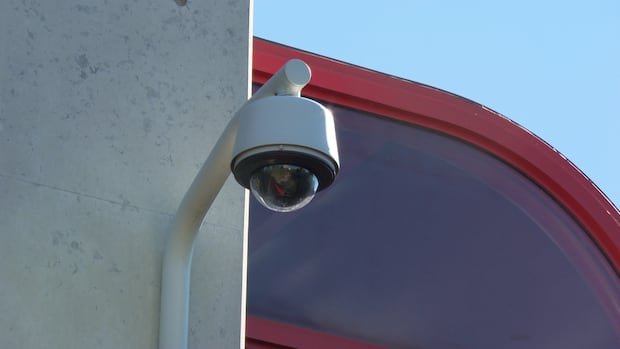

Waterloo region police have reported that a newly established network of CCTV and automated license plate recognition (ALPR) cameras has already proven beneficial to investigators. The system was utilized 19 times within the first 44 days of its operation. Inspector Jarrett Brown, from the Waterloo Regional Police Service’s innovations and modernization unit, provided an update to the police services board regarding the implementation of the CCTV and ALPR program.
Brown informed the board that the system has been instrumental in various investigative activities, serving as a valuable resource across multiple policing areas. The program was introduced in Waterloo on June 23 before expanding to Cambridge and North Dumfries on July 19, with initial camera activations in Kitchener commencing on August 6.
As of the latest reporting period, there are 12 operational locations with 28 cameras in place throughout the Waterloo region. Plans are underway for the installation of three additional cameras in Cambridge, Kitchener, and Waterloo as the necessary infrastructure is established. Brown highlighted the extensive coordination efforts with municipal partners, the Region of Waterloo, utilities, and infrastructure owners to ensure a smooth rollout, particularly regarding electrical requirements and installation logistics.
During the initial 44 days of operation, the system was accessed 19 times to support investigative requests, including historical CCTV requests and ALPR requests with judicial authorization. Various investigations, including sexual assaults, robberies, assaults, abductions, break-and-enters, fraud cases, dangerous driving incidents, impaired driving, and motor vehicle collisions, have benefited from the system.
One notable success story involved an impaired-driving incident in North Dumfries, where the cameras captured an individual who had fallen asleep behind the wheel at a red light. The footage not only validated witness statements but also provided crucial evidentiary support for court proceedings. Additionally, CCTV footage helped investigators dismiss a serious alleged criminal offense, preventing unnecessary investigative work and community concern.
The cameras have been instrumental in identifying unknown vehicles linked to criminal activities, establishing timelines, determining travel directions, and developing investigative leads both within and beyond the Waterloo region. Chief Mark Crowell emphasized that the use of CCTV and ALPR aligns with the increasing trend towards enhanced information sharing and real-time policing capabilities.
At a recent meeting, Crowell highlighted discussions at the Canadian Association of Chiefs of Police conference, focusing on the current and future landscape of policing. Efforts are ongoing at the provincial level to enhance information flow and sharing, with infrastructure playing a critical role in these initiatives. The board also deliberated on how the early successes of the program could influence municipalities and townships still deliberating on camera implementations.
Region of Waterloo Chair Karen Redman commended the initial results, particularly during budget constraints, emphasizing the importance of working smarter, not harder. Redman emphasized the significance of combining various tools and approaches to enhance organizational effectiveness, underscoring the value of a multifaceted strategy in achieving positive outcomes.