

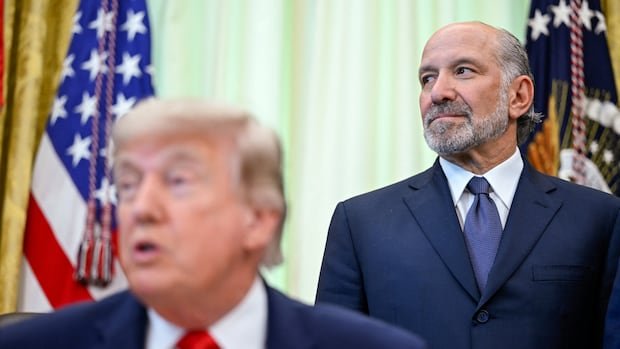

One of the key members of U.S. President Donald Trump’s cabinet has shown dissatisfaction with the current state of the trade agreement with Canada and is advocating for adjustments as crucial trade negotiations reach a critical stage in Washington, according to sources familiar with the matter. U.S. Commerce Secretary Howard Lutnick, a prominent figure in the Trump administration’s economic policies with a longstanding relationship with the president, reportedly believes that the United States could secure a more favorable deal than the one currently on the table.
Sources familiar with the private discussions revealed that Lutnick raised concerns about potentially reducing sectoral tariffs, specifically the 232 tariffs, which includes lowering the tariff on Canadian-produced vehicles from 25 percent to 15 percent. Lutnick is concerned that reducing these tariffs could hinder efforts to promote domestic production within the U.S.
While none of the sources disclosed Lutnick’s reservations endangering the agreement, his discontent contrasts with the positive outlook conveyed by Trump, Prime Minister Mark Carney, and the top trade negotiators from both countries in recent public statements. U.S. Trade Representative Jamieson Greer expressed satisfaction with the progress, emphasizing that the agreement aims to safeguard American workers, jobs, and supply chains while bolstering the country’s economy.
The ongoing negotiations have intensified as the deadline for new tariffs on Canadian goods approaches. Both countries are striving to finalize a trade deal before the expiration of Trump’s three-day suspension on new tariffs against various Canadian products.
Although specific details of the agreement have not been disclosed publicly, reports suggest that the deal would involve lowering sectoral tariffs that have been adversely impacting Canadian industries like aluminum, steel, and automobiles. In exchange, Carney has urged Canadian provincial leaders to consider lifting bans on American alcohol. The White House has refrained from confirming the specifics, emphasizing that any reported details should be treated as speculation until officially announced.
The trade representatives from both nations continued their discussions in Washington as the deadline neared, with indications of progress towards a potential deal. Sources revealed that the proposed agreement includes a reduced tariff on Canadian steel with a quota system and adjustments to dairy license allocation to potentially increase American dairy products in Canadian markets.
Throughout the negotiations, Lutnick’s staunch support for tariffs to protect American businesses and promote domestic manufacturing has been evident. His influential role as commerce secretary grants him significant influence over the administration’s trade and tariff policies. Lutnick, who shares Trump’s views on trade and tariffs, has been actively engaged with the negotiating team alongside U.S. Trade Representative Jamieson Greer.
The relationship between Lutnick and Trump, dating back to their early years in New York City, has been a subject of interest in the media due to its impact on Trump’s political trajectory. Lutnick’s advocacy for tariffs and criticisms of Canadian policies have been highlighted in various public appearances and interviews, reflecting his stance on trade issues between the two countries.