

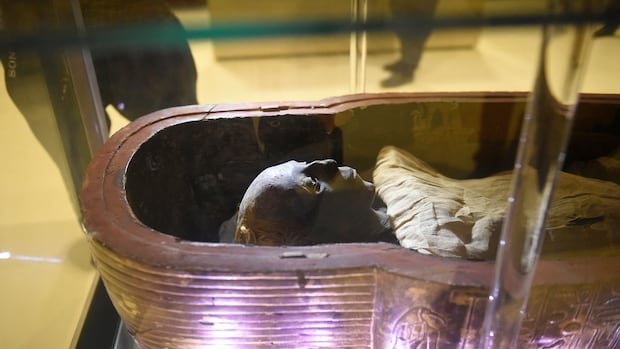

Researchers have highlighted the global online market for preserved human remains, posing potential health risks due to the presence of dormant microorganisms. A recent study analyzed 128 web posts showcasing human and animal remains for sale between 2015 and 2025. Lead author Kirsty Squires, a bioarchaeology professor, noted the prevalence of mummified heads, hands, and feet in these listings.
Improper handling of mummified body parts, often showcased in poor storage conditions, can harbor harmful microorganisms like bacteria and fungi. Experts emphasize the importance of proper storage conditions to prevent health issues that may arise from exposure to these microorganisms.
Safe Handling Practices
Researchers caution that mishandling remains could release hidden fungal spores or bacteria into the air, posing risks to health. It is essential to use protective equipment when handling mummified remains to minimize exposure to potential health hazards.
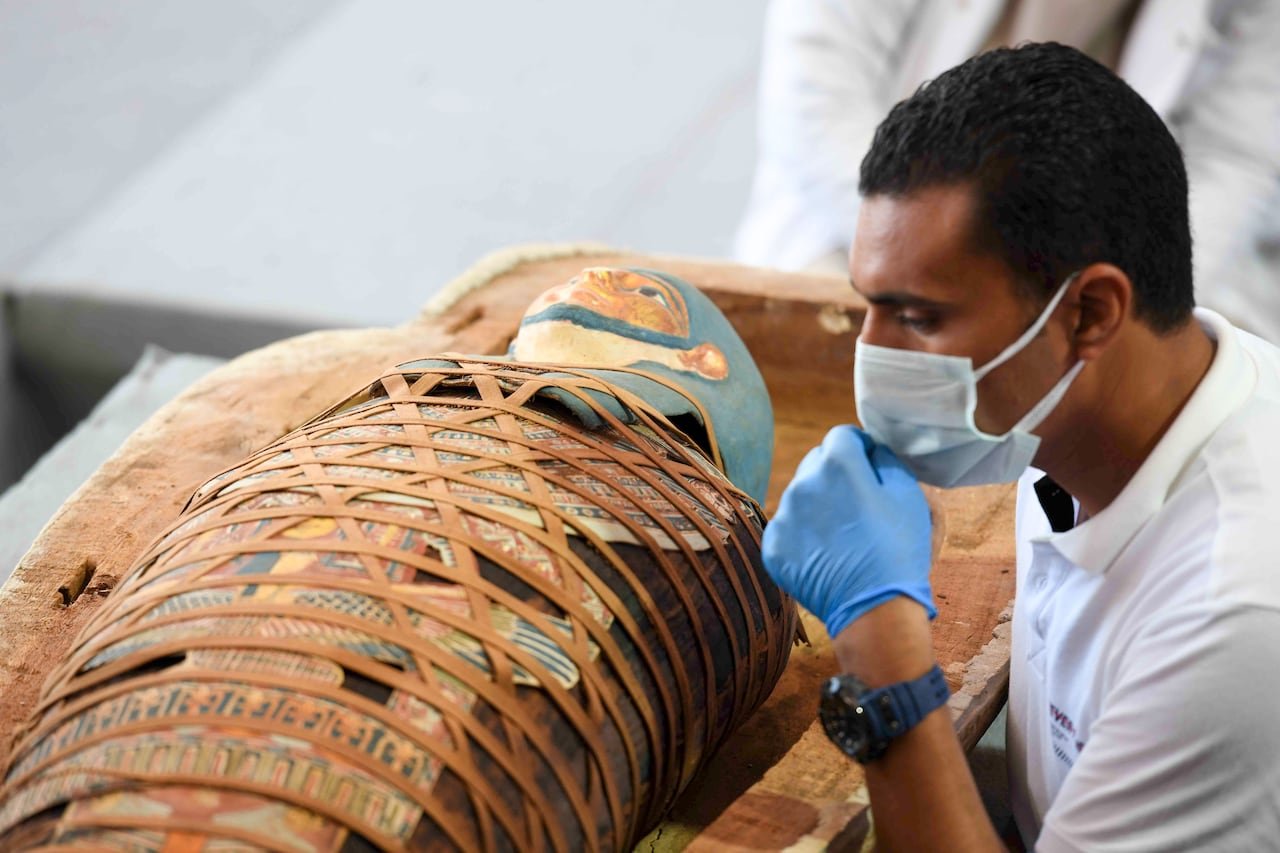
Furthermore, mummified body parts may contain toxic substances such as arsenic and mercury from historic embalming practices. While the study does not cite specific cases of illness from handling such remains, historical incidents suggest potential health risks associated with exposure to airborne microorganisms.
Ethical and Health Concerns
Experts raise ethical concerns regarding the trade of human remains online, emphasizing the need for regulation to address potential health hazards. While some experts downplay the risks, the study underscores the importance of responsible handling and storage practices.
Market Trends in Canada
Of the web posts analyzed, 11 originated from sellers in Canada, indicating a presence of this trade in the country. Concerns have been raised about the lack of regulation surrounding the sale and purchase of human remains, prompting calls for stricter laws to govern such transactions.
Canadian authorities have restrictions on shipping mummified human remains, allowing only cremated remains to be transported under specific guidelines. Private shipping companies like Purolator and UPS explicitly prohibit the shipment of human remains to mitigate potential risks.
Despite regulations, loopholes in labeling and packaging practices raise concerns about the potential risks faced by postal workers and individuals handling these shipments. The need for stringent measures to prevent mishandling and ensure safety is paramount in addressing the risks involved.
Policy Recommendations
Experts advocate for stricter regulations and a ban on the online trade of human remains to protect public health and prevent unethical practices. Proposals for legislation similar to the U.K.’s bill aiming to prohibit the online sale of human remains have been suggested to address the ethical and health implications of this trade.
Addressing the challenges posed by the online trade of human remains requires a coordinated effort to safeguard public health and uphold ethical standards in dealing with historical artifacts and human remains.
Tag: rewrite-done