



At 12:01 a.m. ET on Saturday, U.S. President Donald Trump’s 50 percent tariffs on Canadian exports went into effect as trade negotiations between Canada and the U.S. failed to reach a deal.
Canada announced the suspension of trade talks with the United States and the recall of its negotiating team due to what it deemed as unfair last-minute changes made by the U.S., according to a statement released late Friday by Carney.
Responding to the situation, U.S. Trade Representative Jamieson Greer stated that Canada declined to finalize the agreement and introduced new demands, leading to a breakdown in negotiations.
Quebec is expected to be heavily affected by the tariffs, drawing reactions from political and industry figures in the province on Saturday.
Quebec Premier Christine Frechette expressed concern over the impact of the tariffs on Quebec workers and businesses, emphasizing the need to protect the economy. She announced plans to meet with her cabinet to implement measures supporting affected sectors.
Eric Duhaime, leader of the Conservative Party of Quebec, urged unity in supporting affected industries such as forestry, aluminum, and agriculture, questioning the extent of Fréchette’s commitment to defending Quebec’s interests.
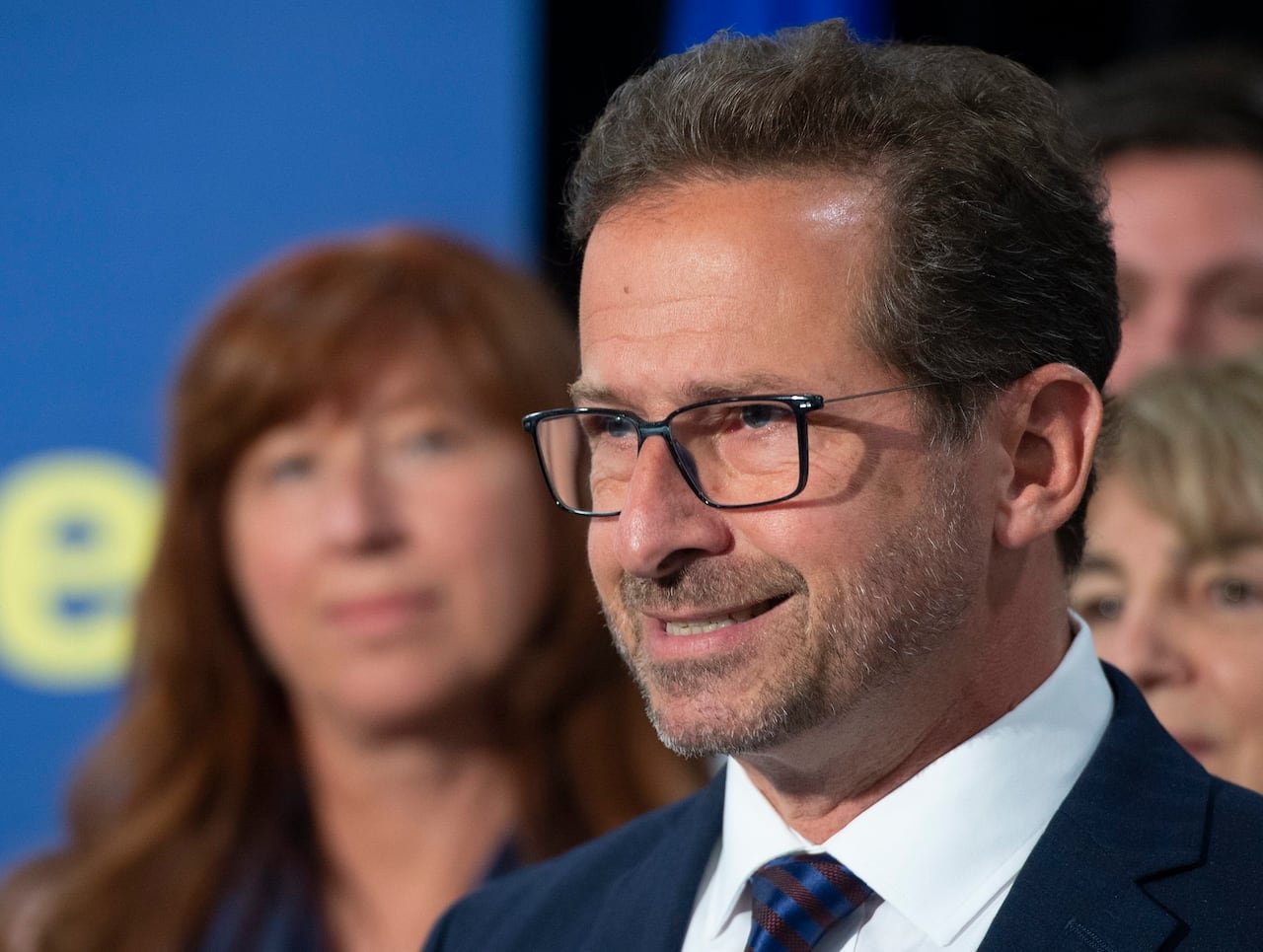
Yves-François Blanchet, leader of the Bloc Québécois, criticized the tariffs, describing them as detrimental to the economies of Quebec, Canada, and the U.S. He called for retaliatory measures matching the value of the imposed tariffs.
Blanchet highlighted concerns that concessions proposed by the Liberals in areas like supply management and culture, had the deal been finalized, would have negatively impacted Quebec’s economy.
-
live updates
Carney says U.S. ‘trying to break us so that they can own us’ after trade talks fall apart
-
What Canadian goods is Trump targeting with his latest tariff move?
Blanchet reiterated that Quebec would face the most significant impact from the tariffs.
The Federation of Chambers of Commerce of Quebec (FCCQ) reported that 68 percent of Quebec businesses, based on a recent survey, supported reaching an agreement even if it meant Canadian concessions.
FCCQ President Véronique Proulx expressed concern over the scenario unfolding for Quebec businesses, involving halted negotiations, new tariffs, and the looming threat of Canadian retaliatory measures.
The Confederation of National Trade Unions in Quebec also weighed in on the situation, pledging to evaluate and support the plans put forth by Premier Carney and Premier Fréchette to protect workers affected by the tariffs.
<p