


The Canadian government has declined to reveal the expenditures incurred in legal battles with First Nations communities over their rights to clean drinking water and housing on reserves. This decision, made in response to a CBC Indigenous access to information request, has raised concerns among analysts for being excessively secretive and extending beyond necessary boundaries.
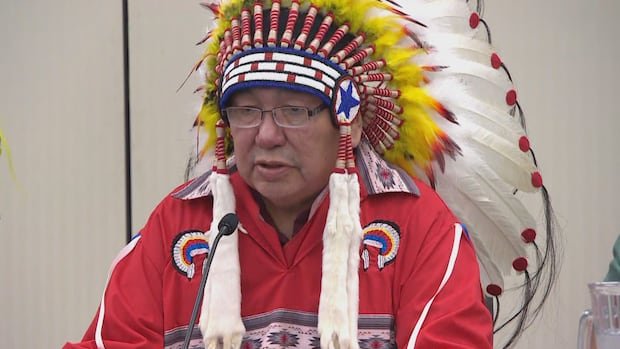
The Justice Department cited solicitor-client privilege as the reason for withholding the information on the total costs the government spent on litigating against two remote fly-in First Nations in Manitoba from 2022 onwards, under the Carney and Trudeau Liberal administrations. St. Theresa Point Chief Elvin Flett, a lead plaintiff in one of the cases, expressed disappointment over the government’s significant investments in legal disputes, suggesting that these resources could be better utilized in collaboration with First Nations to address pressing issues like the housing crisis on reserves.
Despite separate Federal Court orders in December affirming Canada’s responsibilities to ensure access to essential services for First Nations, Ottawa is challenging these rulings and maintains its denial of any duty in these key areas. The government’s decision not to disclose the financial implications of these legal battles has been criticized as an overly broad application of access laws by experts, including Kevin Walby from the University of Winnipeg.
Furthermore, the federal NDP has condemned the government’s stance, highlighting previous instances where Ottawa spent substantial amounts on legal battles against Indigenous groups. The NDP’s justice critic emphasized the importance of transparency regarding government expenditures related to Indigenous rights and infrastructure development.
While the Justice Department defended its stance by citing the need to protect confidential information during active legal proceedings, critics argue that the government’s use of solicitor-client privilege in this context is unwarranted. They point to past instances where government bodies disclosed legal expenses, suggesting that transparency should prevail in such matters.
The ongoing legal disputes with St. Theresa Point and Shamattawa First Nations are set for hearings later this year, underscoring the persistent challenges surrounding Indigenous rights and government accountability.