


The World Heritage Committee is currently evaluating Wood Buffalo National Park following concerns raised by a local First Nation regarding the park’s ecosystem health. Chief Melody Lepine of the Mikisew Cree First Nation expressed worries about the environmental impacts of industrial activities on the park, potentially jeopardizing its UNESCO World Heritage status.
Chief Lepine specifically highlighted her unease with the volume of water permitted for use by oilsands projects and the Alberta government’s proposed discharge of treated tailings into the Athabasca River. She emphasized the significance of the site as not just a World Heritage location but also as their ancestral homeland.
In 2014, the MCFN initially requested UNESCO to assess Wood Buffalo National Park due to concerns about industry, hydroelectric projects, and climate change affecting the Peace Athabasca Delta. UNESCO validated these concerns in 2016, prompting the Canadian government to implement an action plan in 2019 aimed at safeguarding the park through various initiatives, including enhanced monitoring, collaboration with Indigenous partners, and examination of water control structures.
A recent update from UNESCO in 2023 acknowledged progress in protecting the park but highlighted that only two out of 14 objectives had improved while seven had worsened. Chief Lepine expressed skepticism about the effectiveness of the park’s protection efforts, particularly noting issues with water levels and quality, as well as declining wildlife populations.
Lepine advocated for the installation of water control stations, increased Indigenous involvement in park management, and restrictions on discharging treated materials into the Athabasca River. She urged the World Heritage Committee to hold the government accountable, establish clear timelines, and consider listing the site as endangered to prompt more decisive action.
A spokesperson for Alberta’s Minister of Environment and Protected Areas emphasized the ministry’s support for the UNESCO Reactive Monitoring mission and highlighted measures to ensure the responsible handling of oilsands tailings and mine water to protect the environment and public health.
Efforts have been made to address the concerns, including the establishment of a research monitoring station near Fort Chipewyan, progress on proposed water control structures, and habitat conservation initiatives for wildlife within the park. The federal government has allocated substantial funding to support these conservation efforts.
Despite these actions, concerns persist about the park’s ecosystem health, attributed to factors such as drought, altered river flows due to dams, and water consumption from oilsands operations. Urgency is emphasized in addressing these challenges to prevent the potential loss of Wood Buffalo National Park’s heritage site designation.
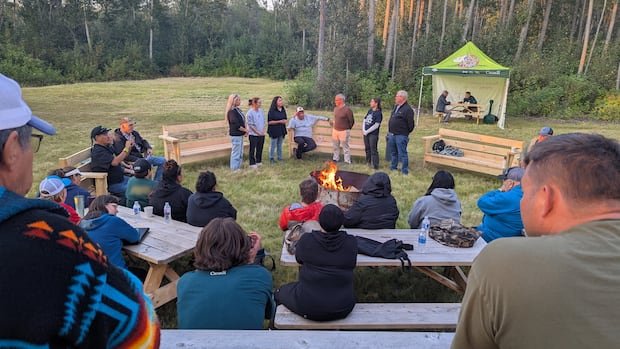
The UNESCO Reactive Monitoring Mission, conducted in August out of Fort Chipewyan, will evaluate Canada’s progress in implementing the park’s action plan and provide an updated assessment. The findings will be compiled into a report by UNESCO and the International Union for Conservation of Nature for presentation at the World Heritage Committee’s 49th session in 2027.