

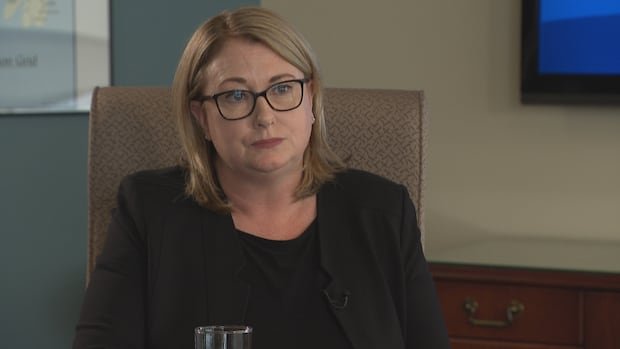

Newfoundland and Labrador Hydro’s CEO, Jennifer Williams, emphasized that the recent memorandum of understanding regarding Churchill River power does not resemble the long-standing power purchase agreement from 1969. Williams highlighted the collaborative effort to enhance the deal for all parties involved and involve the federal government in the process, expressing satisfaction with the current framework.
The original contract from 1969 secured low power rates for Hydro-Québec over the years, offering limited benefits to the Churchill Falls (Labrador) Corporation during times of increased electricity market prices. The new three-way MOU, announced on August 17, involves the province’s utilities and jointly-owned CFLCo, outlining a potential new sales contract, along with significant capital projects and power sales linked to the river.
Prime Minister Mark Carney, along with former Quebec premier Christine Fréchette and Newfoundland and Labrador Premier Tony Wakeham, hailed the agreement as a major green energy initiative in North American history. Williams clarified misconceptions about the pricing structure, emphasizing that the Churchill Falls power will not be sold at a fixed rate but will see a substantial price escalation in the proposed 50-year sales contract.
The revised deal includes selling maximum power to Quebec at a premium rate until 2041, gradually increasing with an adjustment based on the Consumer Price Index afterward. Without this agreement, Hydro-Québec would continue paying a significantly lower rate until 2041 under the existing contract. The extended agreement also reflects Hydro-Québec’s willingness to terminate the current contract ahead of schedule.
The new MOU sets the stage for additional power generation projects at Churchill Falls and Gull Island, introducing a transmission line in Labrador and committing to exploring further energy developments. The agreement outlines arrangements for Newfoundland and Labrador to sell surplus electricity to Hydro-Québec for redistribution, ensuring returns for N.L. Hydro.
Williams emphasized the importance of considering the power’s location and the challenges of building new transmission lines. The revised policy signifies a shift in the province’s power strategy, showcasing a more comprehensive approach compared to previous agreements. The ongoing negotiations aim to finalize terms by the year-end, with a special debate scheduled in the House of Assembly.
The updated agreement represents a significant improvement from previous arrangements, with federal support for projects like Gull Island development and involvement of the Major Projects Office. The upcoming debate in the House of Assembly will involve politicians from across the province, aiming to reach a conclusive agreement by the end of the year.