

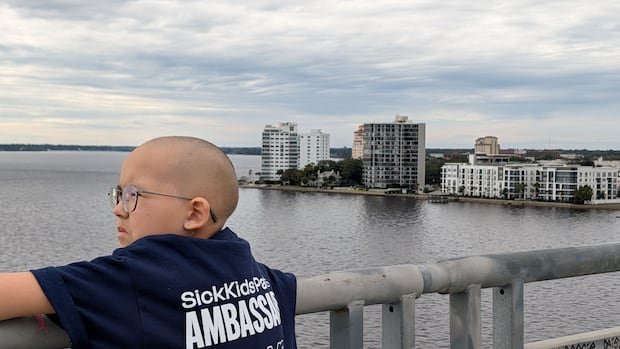

Fort Good Hope resident Chloe Dixon, aged 12, received a diagnosis of rhabdomyosarcoma, a rare and aggressive form of cancer, last summer. In discussions with her family about treatment options, medical professionals introduced a novel procedure that could potentially preserve Chloe’s fertility for the future. Chloe expressed initial surprise upon learning about the program but ultimately deemed it a wise decision, acknowledging her limited understanding at her young age.
Cancer treatments often pose risks to patients’ fertility, prompting the development of innovative solutions like the collaboration between The Hospital for Sick Children (SickKids) and Mount Sinai Fertility Clinic in Ontario. Through ovarian tissue cryopreservation, a process involving the removal, processing, freezing, and storage of one ovary, pediatric patients like Chloe have the opportunity to safeguard their reproductive capabilities for later use.
Following her diagnosis, Chloe has been undergoing multiple surgeries and chemotherapy at SickKids in Toronto. Dr. Kriti Kumar, a pediatric oncologist at SickKids, emphasized the importance of offering choices to patients for reproductive autonomy, especially when cancer treatments may impact fertility. Unlike adults who can freeze mature eggs, this option is not available for children due to the finite number of eggs they possess, which can be depleted prematurely by certain cancer therapies, potentially leading to early menopause.
Discussions surrounding tissue preservation typically occur soon after a cancer diagnosis to allow patients and their families ample time for consideration. Dr. Kumar noted that fewer than 20 pediatric patients have undergone the preservation procedure at SickKids, with no instances of tissue reimplantation yet due to the program’s recent inception. As survival rates for pediatric cancer improve, healthcare providers are increasingly prioritizing the long-term quality of life for post-cancer patients.
Chloe’s father, Paul Dixon, expressed initial overwhelm when presented with the fertility preservation option amidst the flurry of information regarding Chloe’s diagnosis and treatment plan. However, after reflection, he deemed it a valuable opportunity for Chloe’s future. Grateful for the inclusive approach taken by hospital staff in involving Chloe in medical discussions alongside her parents, Paul Dixon highlighted the importance of providing young patients like Chloe with hope for a fulfilling future beyond their cancer journey.
Chloe underwent the tissue preservation procedure in August 2025 and is currently in the maintenance phase of chemotherapy, eagerly anticipating her return to school. Despite the challenges she has faced, Chloe remains optimistic about her future prospects and the potential for a life resembling that of any other child untouched by cancer treatment.