

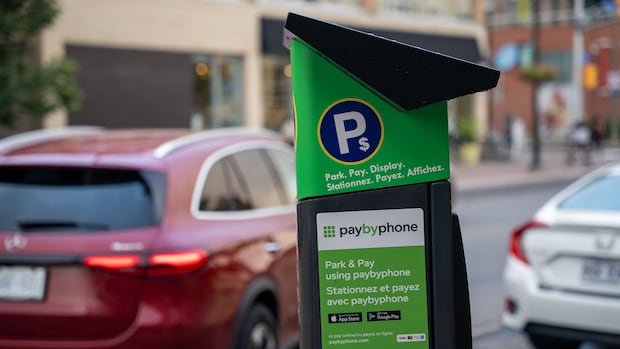

An Ottawa mayoral contender has pledged to eliminate all parking meters and pay stations across the city if elected, do away with the pay-by-phone app, and institute free on-street parking. Alex Lawson expressed concerns about the increasing challenges associated with parking, including extended paid hours, expanded paid zones, and heightened ticketing, prompting his proposal for a transformative approach to parking management.
According to Lawson’s mayoral campaign policy document disclosed to CBC, Ottawa currently has 4,337 paid on-street parking spots, all of which he plans to convert to free parking. He envisions removing pay stations and the app, reverting on-street parking to its natural state of being free, similar to most streets in the city. Although parking fees generated $19.6 million last year, the majority of these funds were utilized to cover the $17.1 million program expenses, which encompass city lots and garages that Lawson intends to continue charging for.
The surplus revenue is allocated to a reserve fund for new parking infrastructure. On their own, on-street parking spaces generated $9.8 million in revenue last year, offsetting $7.4 million in costs. Lawson emphasized that the revenue generated from on-street parking amounts to only a small fraction of the overall expenses, as the city’s parking policy primarily aims to facilitate turnover by pricing spaces in high-traffic areas to manage demand effectively.
Lawson’s proposal is rooted in the belief that implementing time limits can achieve the same objective, suggesting that clear signage indicating time restrictions can be sufficient without the need for technological interventions. Under his plan, the minimum time limit for parking would be extended to two hours citywide, abolishing one-hour parking zones. However, he assured that restrictions such as no-stopping zones, fire routes, school zones, winter parking bans, and accessible spaces would remain unchanged.
Lawson’s campaign team noted that no other major Canadian city has undertaken a similar initiative to eliminate all paid on-street parking. He emphasized the potential benefits of his plan for small businesses reliant on street parking, highlighting the competitive disadvantage they face against large retail establishments that offer free parking. Lawson aims to swiftly implement his proposal, seeking council approval to eliminate paid parking across the city immediately after the newly elected council members take office.
While acknowledging the logistical challenge of physically removing all meters simultaneously, Lawson identified the most recent Pay & Display stations on Richmond Road and Wellington Street West as the initial targets for removal. Last year, the city expanded paid parking to these areas based on a study showing a shortage of on-street parking during peak hours, a decision that faced criticism from some business owners concerned about potential customer losses.
In 2024, the city introduced a demand-based pricing model to adjust parking rates dynamically, ensuring a minimum of 20% of spaces remain available during peak periods. Despite minor fluctuations in rates, last year’s data indicated that the average annual rate for on-street parking remained relatively stable at $3.21. While Lawson’s plan may impact the city’s revenue from parking reserves and ticket fines, he emphasized the importance of maintaining penalties for serious infractions to promote responsible parking behavior.