

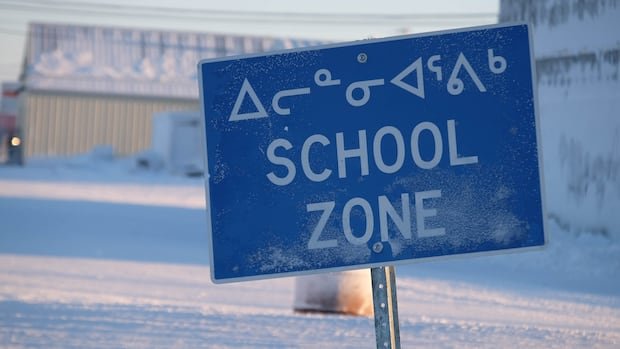

Educators and parents in Nunavut express concerns about the impact of teacher shortages on student development. Over 120 teaching positions remain unfilled, representing approximately 13% of teaching roles in the region. The lack of teachers and substitutes leads to frequent class cancellations, hindering students’ learning and causing them to fall behind compared to students in other areas.
David Oyukuluk, a parent from Arctic Bay, emphasized the negative effects of teacher shortages on his children’s education. He highlighted that the situation is more severe now than when he was growing up in the same area.
In Arctic Bay, the Inuujaq school issued a warning about potential class cancellations before the school year began. Despite interviewing multiple candidates, only a few accepted offers, exacerbating the shortage of teachers. This issue is not isolated to Arctic Bay, as other communities like Qikiqtarjuaq have also been struggling with teacher vacancies for an extended period.
The impact of these vacancies extends beyond students, affecting working parents who must find alternative arrangements when classes are canceled. Malinda Audlakiak noted that some students could miss up to 14 school days per month due to the lack of teachers.
While the Department of Education in Nunavut stated an improvement in staffing levels compared to the previous year, challenges such as housing continue to hinder teacher recruitment efforts. Justin Matchett, President of the Nunavut Teachers’ Association, emphasized the importance of addressing housing issues to attract more educators to the region.
Matchett highlighted the unique opportunities available for teachers in Nunavut and stressed the need to promote teaching as a rewarding career choice for local students. He called for a focus on creating welcoming and safe school environments to inspire future educators from within the community.