

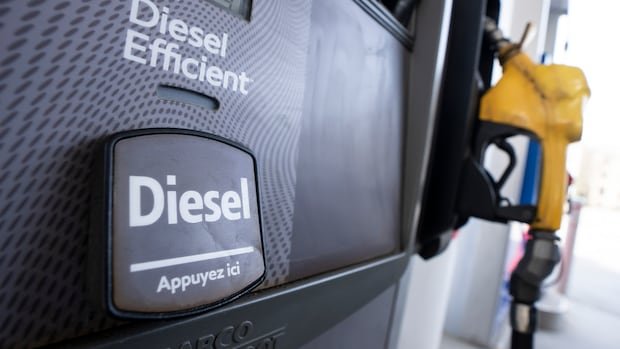

Amid rising inflation in Prince Edward Island driven by surging fuel prices, Islanders are facing tough decisions about their spending as winter approaches. The increase in prices has been more pronounced since spring, with the annual inflation rate climbing from 2.3% in March to 4.4% in August, surpassing the national average of 3% for the same month. Notably, gasoline prices surged by 25.4% and fuel oil prices by 54.4% in August compared to the previous year, influenced by global energy price hikes due to the ongoing U.S.-Iran conflict.
The escalation in inflation rates is especially impactful in Atlantic Canada, with all four provinces surpassing the national average in August. Nova Scotia recorded the highest rate at 5.1%, followed by New Brunswick at 4.6%, P.E.I. at 4.4%, and Newfoundland and Labrador at 4.3%. The surge in fuel costs may eventually have ripple effects on the prices of other goods as businesses incur higher transportation expenses.
While fuel costs have been a driving force behind the overall inflation increase, there are signs of a slowdown in grocery price growth in P.E.I. Grocery prices in August were 0.7% lower year-over-year, marking the first decline since December 2024, attributed in part to reduced price growth for chicken. However, if energy prices remain elevated, there could be increased pressure on other components of the consumer price index, including groceries.
Looking ahead, analysts anticipate further inflation upticks in the coming months, with a particular focus on how the Bank of Canada will respond to potential broader price increases. Core inflation, excluding volatile items like food and fuel, stood at 2.4% in August. The concern remains whether soaring energy prices will spill over to other sectors, prompting a possible rise in core inflation. The Bank of Canada’s decision on interest rates in response to this risk remains uncertain, with a “wait and see” approach being considered as the situation evolves.