

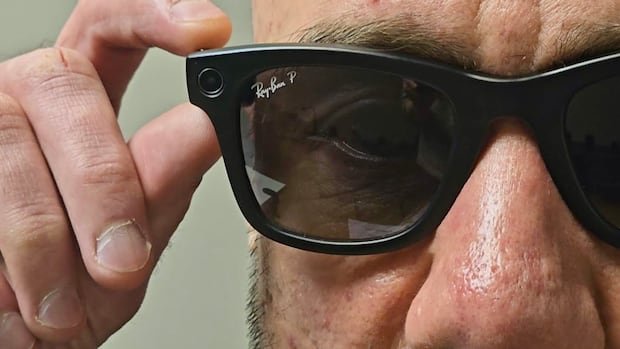

Norway is considering introducing a temporary ban on the use of smart glasses in certain public spaces to address the potential privacy risks associated with these devices. The proposed ban would target locations where privacy is crucial, such as healthcare facilities, fitness centers with changing rooms, and areas frequented by children like schools, kindergartens, and playgrounds.
The government aims to determine the scope of the ban, including which types of devices would be affected, and whether permanent regulations are necessary. It clarified that the ban would not be all-encompassing, and exceptions may be made for specific situations and vulnerable groups to allow for beneficial uses of smart glasses.
Privacy advocates have praised Norway’s initiative, emphasizing the importance of safeguarding individuals’ privacy in public settings. Despite efforts by some companies like Meta, which manufactures AI glasses in collaboration with Ray-Ban, to promote responsible use and respect for privacy preferences, concerns persist among privacy groups. Notably, an eyewear retailer in the Netherlands has halted sales of Meta glasses in response to the ongoing debate surrounding the technology.
The move by Norway reflects a broader global trend of grappling with the implications of emerging technologies on personal privacy. In a similar vein, the UK Cinema Association recently announced measures to regulate the use of camera-enabled smart glasses in cinemas due to concerns over privacy and potential piracy issues.