

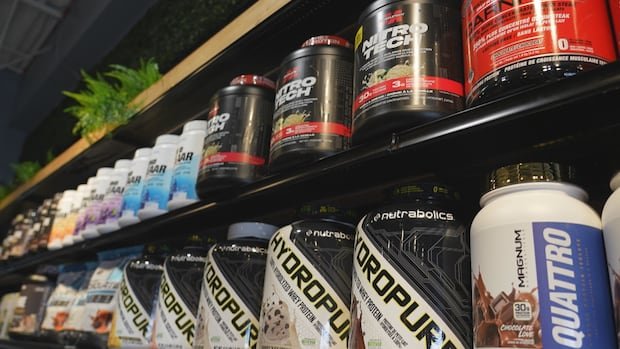

In her quest for higher protein intake, Jennifer Mason has been incorporating whey protein powder into her diet for a few years. However, the recent surge in prices has left her astounded. As a new mother facing escalating expenses, she is reconsidering her shopping choices.
To cater to the increasing consumer interest, food producers and fast-food chains are infusing whey protein into a wide array of products, ranging from snacks to beverages. This trend has led to a scarcity of the ingredient and a spike in prices. Additionally, the U.S.-Canada trade dispute is further elevating costs, potentially burdening consumers with higher prices.
The market landscape is witnessing a proliferation of protein-enriched items, from chips and Pop-Tarts to confectionery. Celebrities like Khloé Kardashian have introduced protein popcorn, while Starbucks and Booster Juice have incorporated whey protein offerings into their menus.
With health-conscious consumers and fitness influencers promoting protein-rich diets, the demand for whey protein concentrate is on the rise. This surge in demand is impacting smaller players in the industry, like Daryl’s Bars in Tecumseh, Ont., as larger corporations secure significant whey protein orders, leaving them scrambling for supplies.
The majority of Canada’s whey protein supply is imported from the U.S., where prices have surged over the past year and a half. The U.S. Dairy Export Council notes the insatiable domestic appetite for high-protein whey, resulting in reduced export availability and escalating prices.
To cope with the escalating costs, Daryl’s Bars has been compelled to hike prices on its protein snacks. The company sources most of its whey protein from Wisconsin, and amid the price hikes, alternatives within Canada are limited.
The ongoing trade tensions are adding pressure on food manufacturers. In response to U.S. tariffs on Canadian goods, the Canadian government imposed a 50% tariff on American whey imports, exacerbating the situation. Canadian businesses can seek relief through Ottawa’s tariff-remission program, provided they demonstrate the necessity of U.S. imports.
The complexities of whey protein production, being a byproduct of cheese-making, present challenges in swiftly boosting supply. The University of Guelph’s food economist, Mike von Massow, explains that the cost-intensive process of drying liquid whey into powder limits a rapid supply increase.
Canada’s dairy industry is expected to pivot towards New Zealand due to rising U.S. import costs, despite the associated high shipping expenses. This shift may result in price hikes along the supply chain, impacting consumers like Audrey Marcoux and Nathan Bugiardini, who express concerns about affordability.
As prices surge, some consumers are exploring plant-based alternatives and whole foods to navigate the pricey whey protein market. Melania Antic, a nineteen-year-old, finds the elevated costs demotivating for her gym routine and protein intake.