

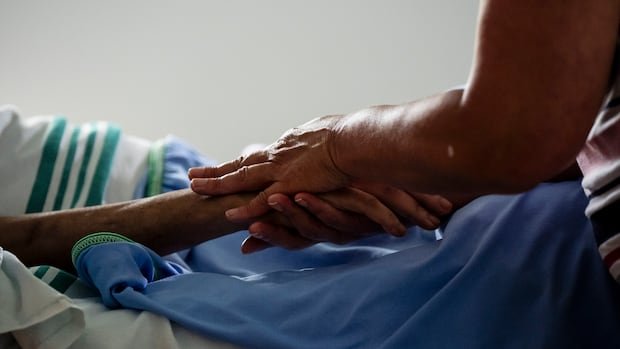

A newly launched online program is designed to assist healthcare providers in Prince Edward Island in delivering end-of-life care that honors Indigenous customs and healing practices. Pallium Canada, in collaboration with the Mi’kmaq Confederacy of P.E.I., Lennox Island, and Abegweit First Nations, developed the course. Bethany MacIsaac, the confederacy’s senior health adviser, emphasized the importance of addressing disparities in the healthcare system. She stated that initiatives like this course can help bridge gaps and ensure patients’ comfort and respect throughout their healthcare journey.
The curriculum was shaped with input from community members, elders, and palliative care nurses. Terry LeBlanc from the Abegweit First Nation Healing Centre highlighted the course’s role in educating providers about Indigenous perspectives on death and dying, as well as the cultural expectations that may differ in hospital settings. He emphasized the significance of proximity to loved ones during important moments, such as sharing stories or singing songs as a way to honor one’s life journey.
LeBlanc underscored the spiritual aspect of end-of-life care, noting that memories shared can help individuals transition into the next phase of their spiritual journey. He also emphasized the valuable role of elders and companions in providing care during this critical time. The course targets individuals with specialized palliative care training, but its teachings are applicable to all healthcare professionals and community members.
MacIsaac mentioned that the course is part of broader efforts in P.E.I. to combat Indigenous-specific racism in healthcare. Additionally, LeBlanc shared that Abegweit First Nation is collaborating with UPEI’s nursing school on a separate course focused on Indigenous health and well-being. The nursing students participate in sessions within the First Nation community to gain a deeper understanding of Indigenous culture and engagement opportunities, enriching their nursing practice.