

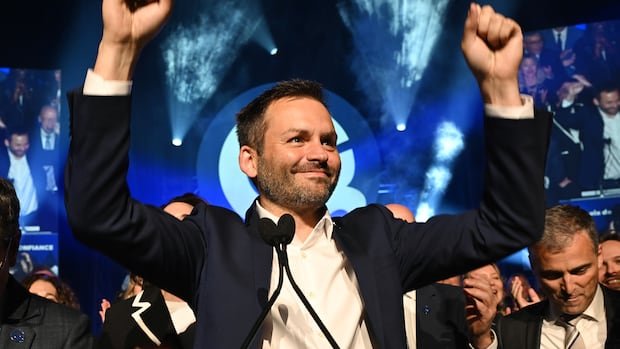

Quebec’s incoming government achieved a historic low in popular vote share, sparking renewed discussions on the province’s electoral process. The Parti Québécois managed to secure a minority government with only 28% of the popular vote, marking the lowest vote share for a governing party in Quebec’s history.
Critics argue that the current first-past-the-post electoral system is outdated, especially in a landscape of multi-party elections. Fair Vote Canada, represented by Ted Cragg, advocates for a shift towards some form of proportional representation to better align with voters’ preferences.
Despite all five major parties in Quebec receiving over 10% of the vote, the seat distribution did not reflect these results accurately. The PQ claimed 59 out of 127 seats, while the Coalition Avenir Québec, despite capturing 13% of the vote, was left without representation. Québec Solidaire secured only nine seats with a 12% vote share.
Jean-Pierre Charbonneau, president of Mouvement démocratie nouvelle, emphasized that many voters feel disenfranchised by the current electoral system, as the National Assembly fails to mirror the votes cast. During the election campaign, PQ Leader Paul St-Pierre Plamondon expressed commitment to electoral reform, a sentiment echoed by Québec Solidaire and the Conservative Party of Quebec.
Although past promises of electoral reform by leaders like Justin Trudeau and former Quebec premier François Legault were not fulfilled, there is growing optimism for change. Advocates like Cragg believe that the recent election results could serve as a catalyst for progress, highlighting a decade of increasing public support for electoral reform in Quebec.