


Niagara’s regional council governance structure has remained largely unchanged for 56 years, but a significant transformation is on the horizon. In past municipal elections, Niagara voters had to select their local city or town councillors, mayors, and regional councillors. However, the upcoming election will see the elimination of regional councillor positions by the province.
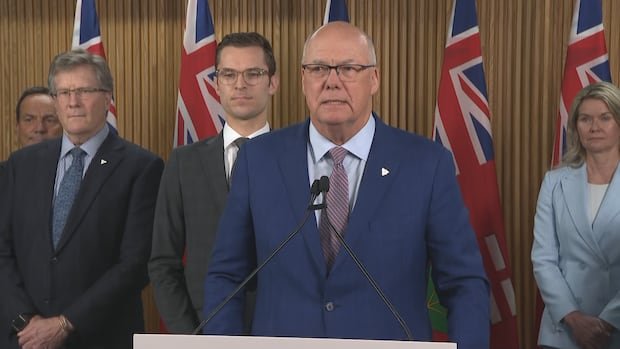
Ontario Municipal Affairs Minister Rob Flack announced in April that Niagara’s 32-seat regional council will be reduced to 13 members. The council will now consist of the 12 Niagara mayors, who traditionally held dual roles on both their local town/city council and regional council, along with a provincially appointed regional chair.
Niagara has long faced the prospect of governance restructuring, with various provincial governments contemplating changes due to the perceived excess of 126 municipal politicians in the region. Concerns about forced amalgamations arose in January 2019 when the province initiated a study on municipal governance in Ontario. This led to the Township of Wainfleet implementing significant property tax increases to address infrastructure deficits amidst fears of potential amalgamation.
Despite the initial amalgamation concerns dissipating, discussions resurfaced in February when then-Regional Chair Bob Gale advocated for consolidating Niagara’s municipalities into one large city or four separate cities. The region experienced a period of uncertainty regarding its governance structure, with municipalities voluntarily proposing council downsizing to preempt provincial intervention.
Subsequent developments included Gale’s resignation in March and Minister Flack’s decision in April to eliminate 19 regional councillor seats in Niagara, among other changes in Simcoe County. The province’s rationale for reducing Niagara’s regional council size was to enhance efficiency, decision-making, and governance effectiveness by streamlining processes and expediting project approvals.
The proposed weighted voting system on the new regional council raised concerns about potential disparities in voting power among mayors based on population. The province’s plan entails determining each mayor’s votes by population size, aiming to maintain equitable representation across municipalities. However, critics like former political science professor David Siegel raised apprehensions about the implications of heightened voting power for mayors in the absence of region-only councillors.
The province’s initiative also involves appointing regional chairs directly, deviating from the traditional practice of regional council members selecting the chair post-election. This shift has prompted discussions about the evolving nature of local government structures and their democratic principles.
Overall, the impending changes to Niagara’s regional council governance system signify a significant departure from its longstanding model, aiming to streamline operations, enhance decision-making, and adapt to evolving governance dynamics in the region.