

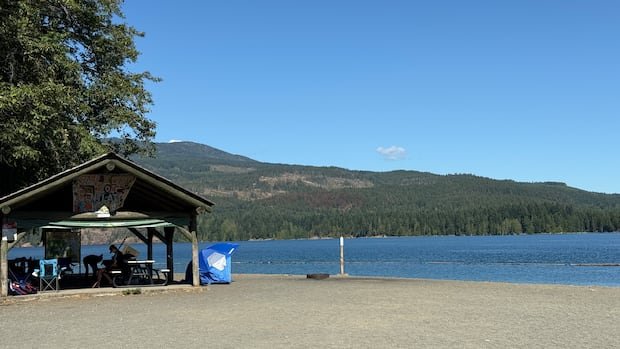

Amid an unusually warm and dry fall in the Comox Valley and east Vancouver Island, various government agencies and conservation organizations are eagerly anticipating the arrival of seasonal rainstorms to replenish the area’s water systems. B.C. Hydro has reported that the cumulative inflows into the Comox Lake reservoir since May are at their lowest levels in the past 64 years, attributing this to the prolonged dry conditions experienced over the past six months.
The decline in water levels has led to several repercussions, including the reimplementation of Stage 3 water restrictions, the temporary closure of a boat ramp, and the monitoring by conservation groups for potential impacts on salmon spawning. Despite the region typically experiencing seasonal storms around this time, Environment Canada has forecasted minimal chances of significant precipitation for the next 10 days, with October’s inflows into the reservoir tracking at only 19% of normal and September ranking as the fourth-driest in 64 years.
BC Hydro spokesperson Karla Louwers expressed hope for the return of fall rains to mitigate the situation. Environment Canada meteorologist Terri Lang mentioned a weak weather system passing through with some expected rainfall, followed by another system on Saturday. However, the long-term forecast indicates a return to above-average temperatures and dry conditions, with Lang noting that the storm cycle season has yet to commence fully.
The diminished water levels at Comox Lake prompted the temporary closure of the boat launch by the Cumberland Lake Park Society due to safety concerns arising from the low water levels. Kevin McPhedran, Cumberland’s director of community services, highlighted the rarity of this situation, recalling only one similar instance in the past decade.
Additionally, the Comox Valley Regional District has escalated water restrictions back to Stage 3, prohibiting activities like lawn watering and driveway power-washing. Kris La Rose, the district’s manager of engineering services, mentioned the unusual aspect of stepping down to Stage 2 in September before reverting to Stage 3.
Project Watershed, a regional conservation group, is closely monitoring the conditions, emphasizing the importance of rainy weather to prompt salmon movement into streams. Director Caitlin Pierzchalski expressed cautious optimism about the current river flows and dropping temperatures but stressed the necessity of a rainy spell to facilitate salmon migration.
Pierzchalski also mentioned the organization’s vigilance regarding the potential impacts of the super El Niño phenomenon, known for bringing warmer and drier weather, on the region during the winter months. Meteorologist Lang highlighted that El Niño conditions typically result in drier-than-average conditions, particularly pronounced between December and February.
Overall, stakeholders in the Comox Valley are closely observing the evolving water situation and weather patterns, emphasizing the need for prudent water usage amidst the uncertainties posed by the ongoing dry spell and potential El Niño effects.