

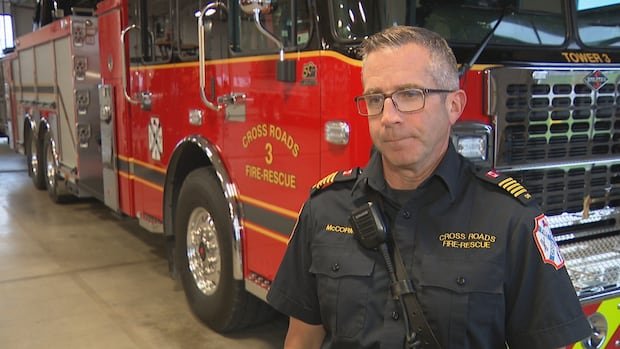

Rising fuel costs and tariffs are creating financial challenges for the fire departments in Prince Edward Island, prompting them to explore cost-cutting measures while ensuring emergency response and firefighter safety remain top priorities.
Chief Greg McCormick of the Cross Roads Fire Department in Stratford mentioned that the department may need to increase its fuel budget for the 2027 fiscal year. He emphasized that despite the rising costs, emergency response operations would not be compromised.
McCormick clarified that the cost of diesel fuel has not influenced the department’s decision on which trucks are dispatched for emergencies. He stated, “We’ll always prioritize operational efficiency, community safety, and the well-being of our firefighters.”
One significant expense contributing to the escalating costs is the department’s new 15-meter-long truck, the largest in its fleet, which consumes a substantial amount of diesel fuel. The current diesel price on the island stands at $2.55 per liter, a more than 50% increase from the beginning of the year, driven by heightened global energy prices due to the U.S.-Iran conflict.
Cross Roads Fire Department has already spent $8,600 on diesel fuel this year, double the amount spent by this time in 2025. Despite the increased fuel costs, lower call volumes have helped offset some of the financial burden. The department anticipates responding to approximately 225 calls by the end of the year, down from 260 in 2025.
Apart from fuel expenses, Chief McCormick highlighted concerns regarding U.S. tariffs potentially inflating equipment costs. He mentioned that most Canadian suppliers source components from the U.S., impacting the prices of essential firefighting gear and accessories.
At the Miscouche Fire Department, Chief Jason Woodbury acknowledged the impact of rising fuel prices on the budget. While operations have not been directly affected yet, Woodbury anticipates increased financial strain due to higher expenses. He noted that about 75% of the budget is allocated to operations and maintenance, with the remaining 25% designated for new equipment purchases.
Woodbury expressed concerns about the escalating tariffs affecting equipment purchases, such as extrication tools and breathing apparatus, as a significant portion of the gear is sourced from the U.S. He emphasized the need for careful budget management amid potential budget constraints caused by the fuel price hikes.
Both fire chiefs reiterated their commitment to prioritizing firefighter safety and ensuring that emergency response capabilities remain intact, even in the face of financial challenges. They emphasized that safety measures and operational readiness would not be compromised, underscoring the paramount importance of protecting the community and the firefighters serving it.