

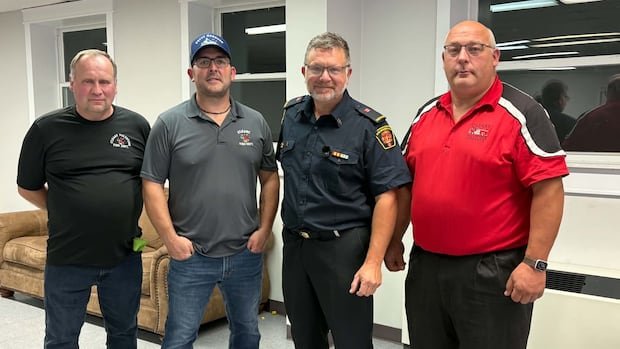

Ernie Gallant, a former volunteer firefighter from New Glasgow, P.E.I., faced a significant challenge in the summer of 2020 after two decades of firefighting. He described experiencing a sudden physical and emotional breakdown, leading to a diagnosis of post-traumatic stress disorder (PTSD). Gallant attributed his condition to the cumulative impact of his firefighting experiences, particularly a distressing fire call in 2003 that left a lasting emotional imprint.
PTSD is commonly associated with individuals who have encountered traumatic events, often manifesting through vivid flashbacks and co-occurring mental health issues like anxiety and depression, as noted by the Canadian Mental Health Association. To help others in similar situations, Gallant initiated a series of presentations titled “Left Turn,” sharing his personal journey with PTSD at fire stations across P.E.I.
Reflecting on the past, Gallant highlighted the lack of support and acknowledgment surrounding mental health in the firefighting community years ago. He emphasized the importance of addressing mental health concerns openly, especially for veteran firefighters who may have internalized their struggles for too long. During one presentation, a young firefighter recognized the necessity for older members to engage in discussions about mental health, highlighting a generational shift in attitudes toward seeking help.
Jayoda Tennekone, a social worker in Charlottetown, emphasized the evolving landscape of mental health discussions, particularly among younger individuals who are more inclined to express their emotions openly. He acknowledged the societal pressure on men to conform to traditional notions of masculinity, hindering their willingness to seek help and show vulnerability. Encouraging men to break free from these stereotypes, Tennekone stressed the importance of creating safe spaces for emotional expression and destigmatizing mental health conversations.
Gallant’s mission to raise awareness about PTSD and unaddressed trauma resonates with the broader goal of promoting mental health dialogue and support. Despite ongoing challenges, Gallant remains committed to sharing his story and advocating for individuals facing similar struggles. His message to those grappling with mental health issues is clear: speak up, seek support, and don’t suffer in silence.