

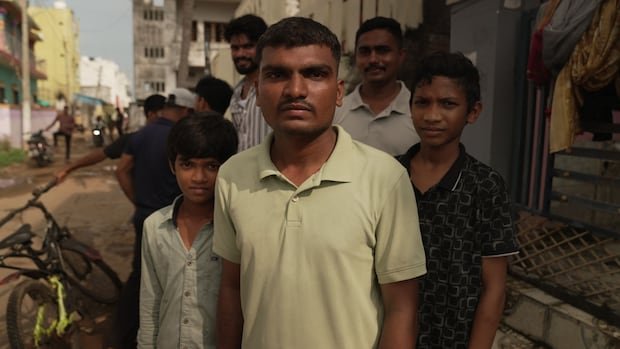

A cluster of farmers gathers beneath a Jamun tree, discussing the significant development in their village: the arrival of Google. Teaming up with India’s Adani Group, Google is constructing a massive $15 billion US AI data center hub in and around Visakhapatnam, a bustling port city on India’s eastern shoreline.
One farmer, Bali Narasingha Rao, who owned an acre of land in Tarluvada, reluctantly sold his land for 17 lakhs, equivalent to about $25,000. However, he expresses concerns about the uncertain future. Earth-moving equipment is actively clearing more than 260 acres, marking the largest site among the three designated for the project.
Expressing his distress, Rao remarks, “Our land, which was our source of livelihood, is now gone.” He mentions that village leaders indicated that the data center chose this location because other countries had declined the opportunity. This sudden technological advancement has thrust their rural village into the AI era.
In a bid to secure a share of this development, the state government of Andhra Pradesh has warmly embraced Google’s extensive five-year, multi-billion dollar investment spanning over 600 acres across three locations. This initiative marks Google’s largest project outside the U.S.
During the groundbreaking event in April, N. Chandrababu Naidu, the state’s chief minister, emphasized the significance of Google’s investment. The MP for Vishakhapatnam, Sribharat Mathukumilli, emphasizes the strategic importance of establishing AI data centers in India to attract fintech firms, banks, and AI startups, positioning it as an ecosystem initiative rather than an isolated venture.
However, despite the economic promises, some environmental and human rights advocates oppose the project, citing expedited approvals and perceived imbalances between costs and benefits. The “Stop Dirty Data Centers” campaign actively engages with villagers and communities adjacent to the construction sites.
To entice Google, the state offered land discounts and concessions on water and electricity tariffs for a decade. Mathukumilli asserts the substantial economic value of this endeavor, projecting long-term economic growth despite initial incentives offered to Google.
In contrast, critics like Deeksha Vanguru view the project as primarily a real estate venture, raising concerns about the project’s actual benefits for the community amidst existing challenges in essential sectors like education and healthcare.
The project, expected to create thousands of jobs, has sparked mixed reactions among locals, with some expressing discontent over potential water scarcity and environmental impact. Google reassures the public that advanced air cooling systems will limit water consumption, and the facility’s operations will comply with sound regulations.
While Google’s presence excites tech enthusiasts like Sudeep Pillarisetty, residents remain divided, with farmers like Bali Sanyasa Rao apprehensive about the project’s ultimate impact on their livelihoods. The ongoing debate underscores the complex dynamics surrounding this transformative development.