


Three Innu communities in Quebec are expressing concerns over a significant liquefied natural gas pipeline project slated to pass through their ancestral lands, pointing out that they stand to be disproportionately impacted. The communities of Essipit, Mashteuiatsh, and Pessamit assert that they have not been afforded the opportunity to provide input on the project.
The proposed pipeline aims to link eastern Ontario to Quebec’s Côte-Nord region, facilitating the transportation of up to 15 million tonnes of liquefied gas to Europe annually. Although Kino Aski LNG, the entity spearheading the initiative, portrays it as a development within the traditional territories of First Nations in Quebec and Ontario under Indigenous ownership and leadership, the Innu communities of Côte-Nord and Saguenay Lac-Saint-Jean are setting the record straight. They emphasize that they are not collaborating with Kino Aski LNG, have not granted consent for the project, and have not authorized the corporation to represent their interests.
Deputy chief of the Pessamit Innu council, Audrey-Lise Rock Hervieux, highlights the extensive scope of the proposed liquefied natural gas project, which would entail a gas pipeline spanning over a thousand kilometers, as well as the establishment of liquefaction plants and new port infrastructures. The environmental impact of such a project, according to Rock Hervieux, needs thorough evaluation.
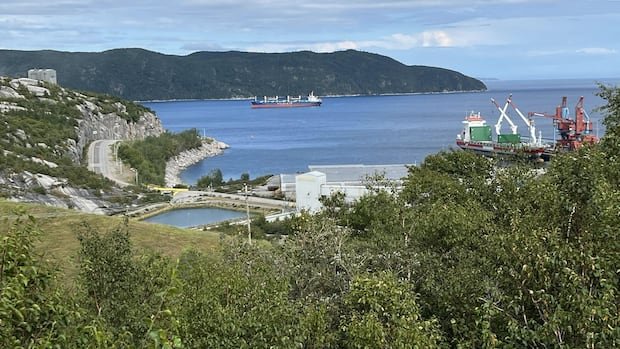
Despite the project being announced in August and touted as being in the development phase with ongoing discussions with various stakeholders, the three First Nations stress that they have not provided their consent or approval. Kino Aski LNG, co-owned and led by the Atikamekw Nation under Grand Chief Constant Awashish and a minority stakeholder, Marinevest Energy Canada, plans to situate the pipeline’s terminal in Baie-Comeau, Quebec.
The Innu communities are calling for independent studies to assess the environmental, social, and economic implications of any project on their ancestral lands. They emphasize that only after completing this evaluation process will they be in a position to freely decide whether to consent to the projects.
Kino Aski LNG has chosen not to offer comments on this matter. The First Nations are also appealing to the federal government to refrain from utilizing Bill C-5 or Bill C-39, which seeks to expedite major infrastructure and energy projects in this context.